


















Japanese Teapots (Kyusu): A Complete Guide to Traditional Design, Types, and Brewing Better Tea
Japanese tea culture is deeply rooted in craftsmanship, functionality, and aesthetics.
One of its most iconic tools is the kyusu (Japanese teapot)—a beautifully designed vessel created specifically to bring out the full flavor of Japanese green tea.
What Is a Japanese Kyusu?

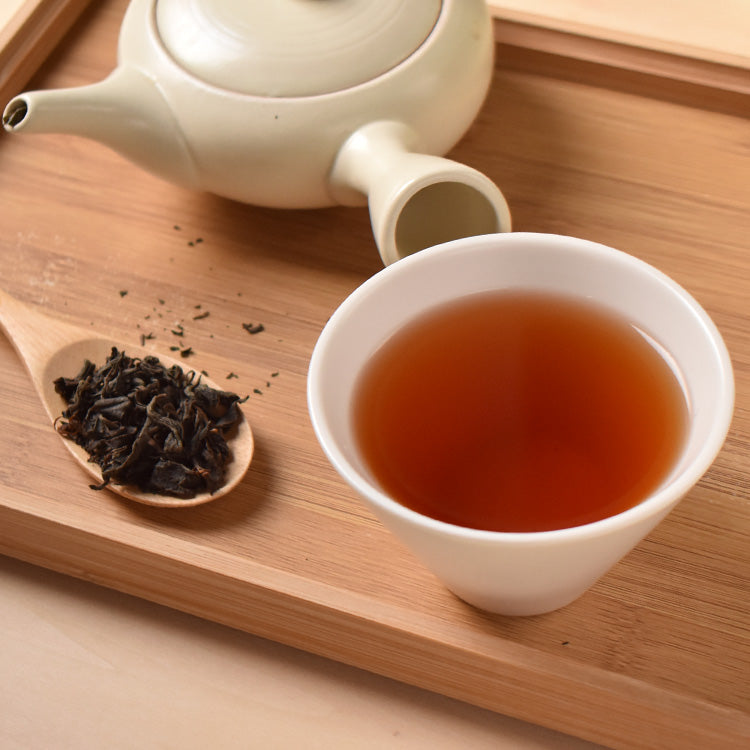
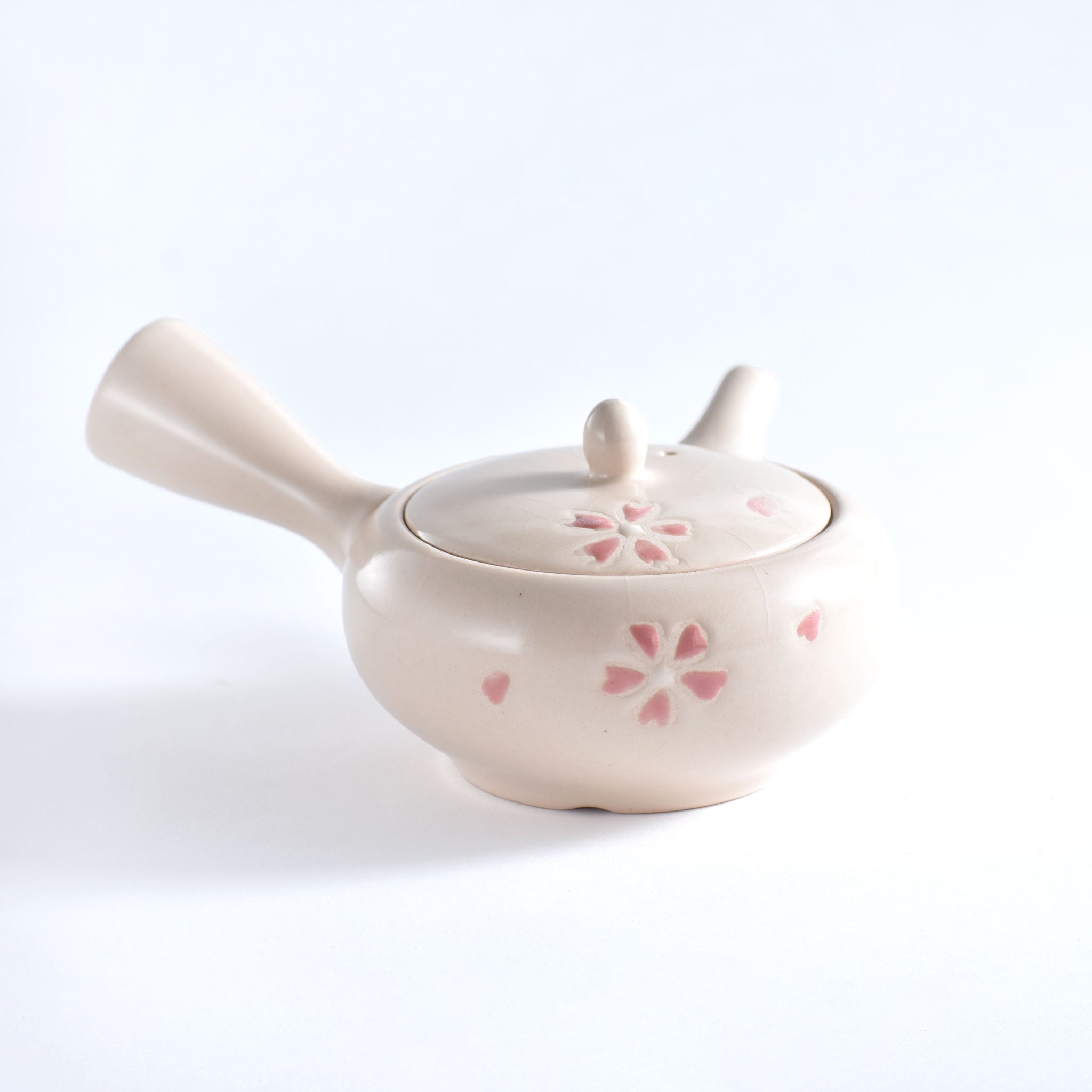
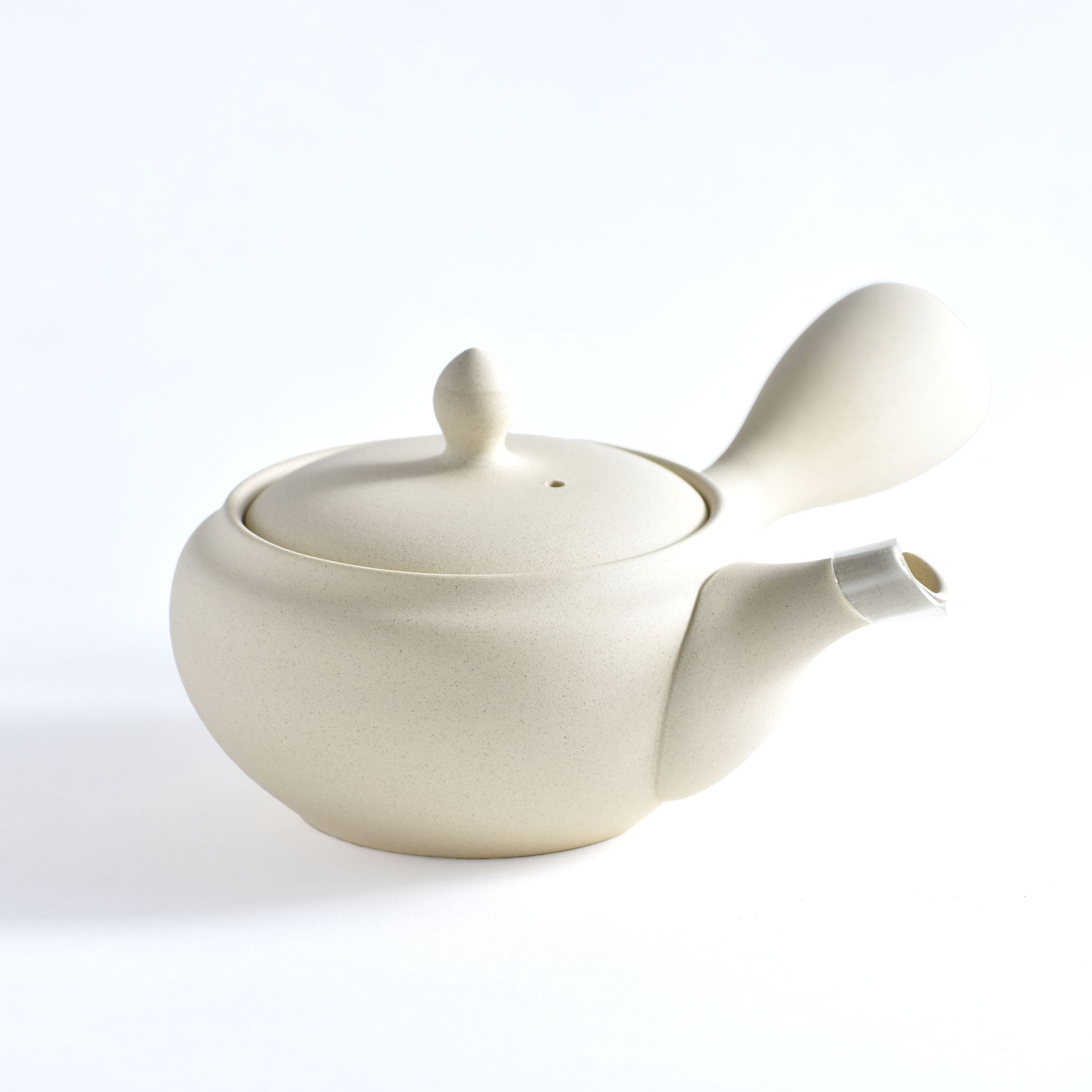
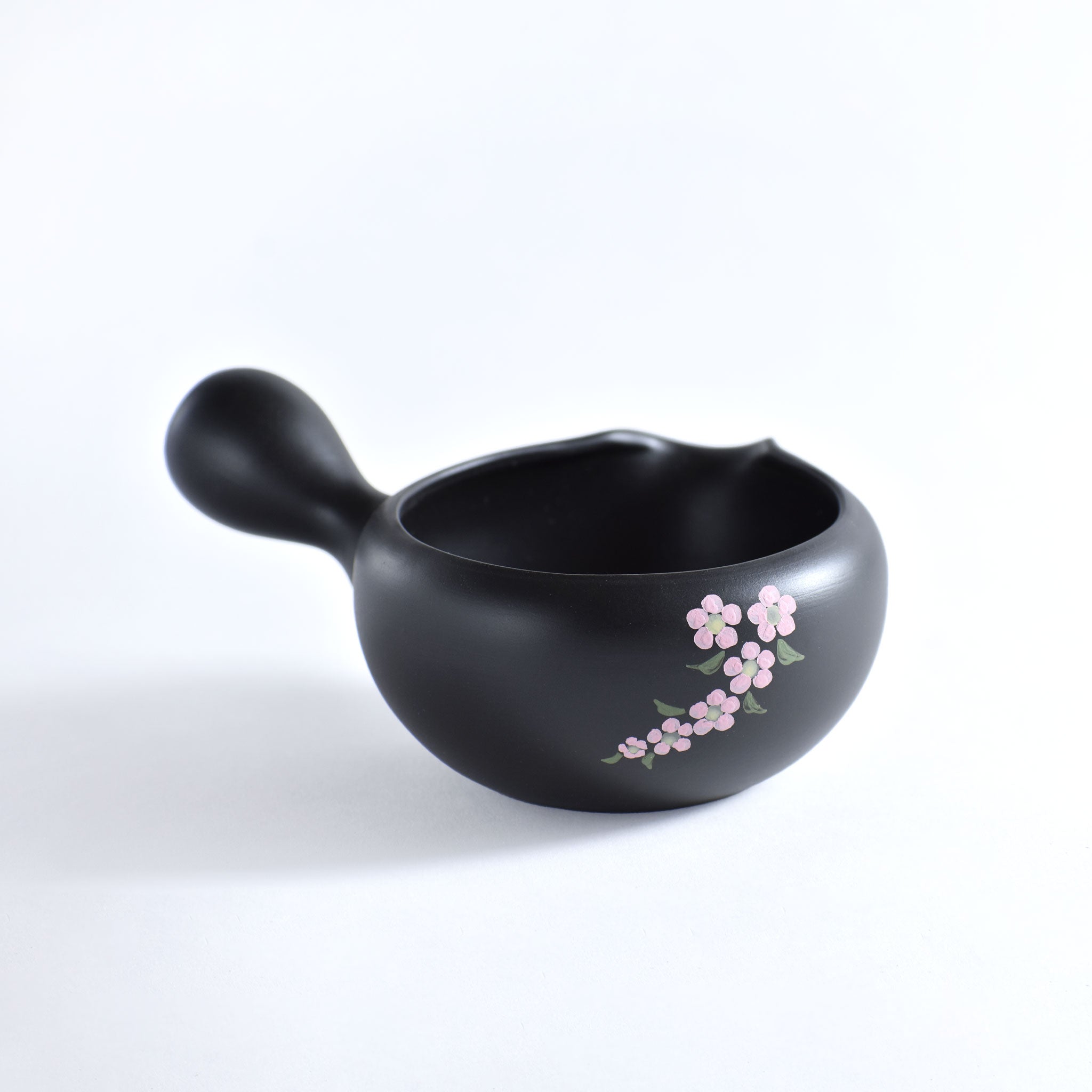
A kyusu is a traditional Japanese teapot, most commonly recognized by its side handle (yokote).
This distinctive design allows for precise pouring and better control, making it ideal for brewing delicate teas such as sencha.
Key Features of Japanese Teapots
1. Functional Side Handle (Yokote)
The most common type of kyusu features a handle positioned at a 90-degree angle to the spout. This design:
- Provides ergonomic pouring
- Allows quick, smooth serving
- Prevents over-steeping
2. High Lid Precision
Kyusu lids are crafted to fit tightly, helping to:
- Retain heat
- Preserve aroma
- Improve brewing consistency
3. Built-in Tea Strainer
Most kyusu include a fine mesh strainer, which is essential for:
- Brewing deep-steamed teas (fukamushi sencha)
- Filtering fine tea particles
- Achieving a clean, smooth cup
Types of Japanese Kyusu
Yokote Kyusu (Side-Handle Teapot)
The most common and versatile type, perfect for everyday tea brewing.
Uwate (Top-Handle Teapot)
Often called a “dobin,” this style has a top handle and is ideal for serving multiple people.
Ushirode (Rear-Handle Teapot)
Similar to Western teapots, with a handle at the back.
Hohin (Handle-less Teapot)
A minimalist design is used for high-quality teas like gyokuro, allowing precise temperature control.
Materials Used in Kyusu
Ceramic & Porcelain
Famous production areas include:
- Tokoname ware (Tokoname-yaki)
- Banko ware (Banko-yaki)
These materials are known for:
- Enhancing the mellow taste of tea
- Excellent heat retention
- Traditional craftsmanship
Cast Iron (Nambu Tekki)
- Superior heat retention
- Ideal for keeping tea warm longer
Glass
- Perfect for visually enjoying tea leaves as they open
- Popular for modern tea presentations
Choosing the Right Kyusu for Your Tea
Different teas require different features:
- Sencha: Standard mesh filter, medium-sized kyusu
- Fukamushi Sencha (deep-steamed): Fine mesh strainer
- Hojicha: Larger capacity, heat-resistant material
- Gyokuro: Small hohin for precise brewing
Selecting the right kyusu can significantly improve the taste, aroma, and overall tea experience.
Why Japanese Kyusu Is Special
Japanese kyusu are more than just teapots—they are a reflection of functional beauty and centuries of craftsmanship.
Designed to enhance the natural flavors of tea, they embody the essence of Japanese tea culture.
Whether used daily at home or as part of a refined tea ritual, a kyusu transforms tea brewing into an art.
Conclusion
If you want to enjoy authentic Japanese tea at its best, investing in a high-quality kyusu is essential.
From traditional ceramics to modern glass designs, there’s a perfect kyusu for every tea lover.
Discover how the right teapot can elevate your tea experience—one cup at a time.
Share