Matcha Powder vs Hojicha Powder: What’s the Difference?
If you’re exploring authentic Japanese tea for your daily routine, you may be wondering: Matcha or Hojicha?
Both are traditional Japanese green teas, but their flavor, caffeine level, and health benefits are very different. Here’s a clear guide to help you choose the right one for your lifestyle.
🌿 What Is Matcha Powder?
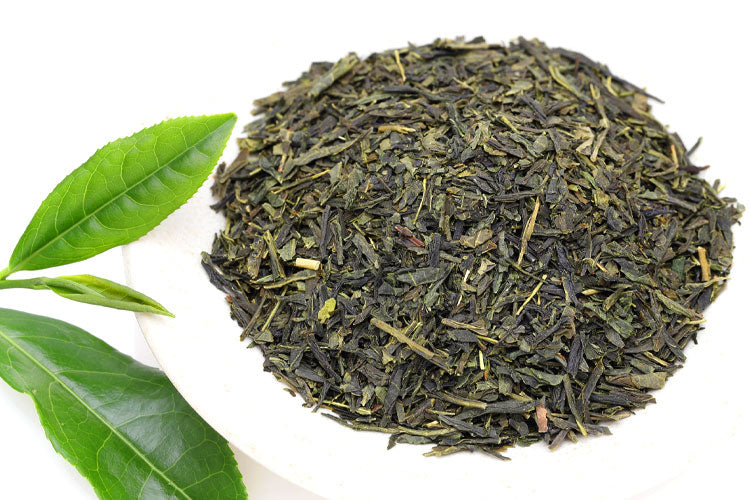
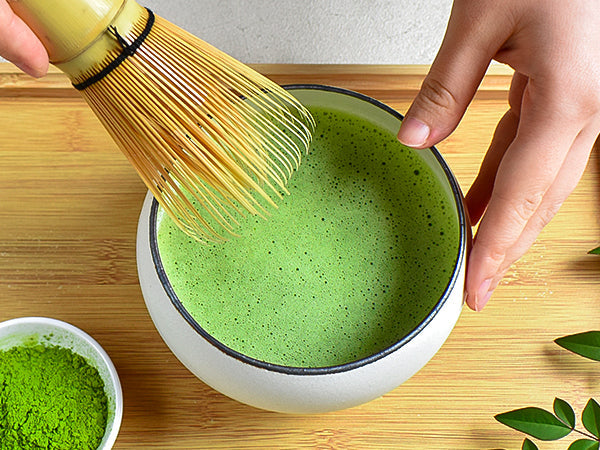
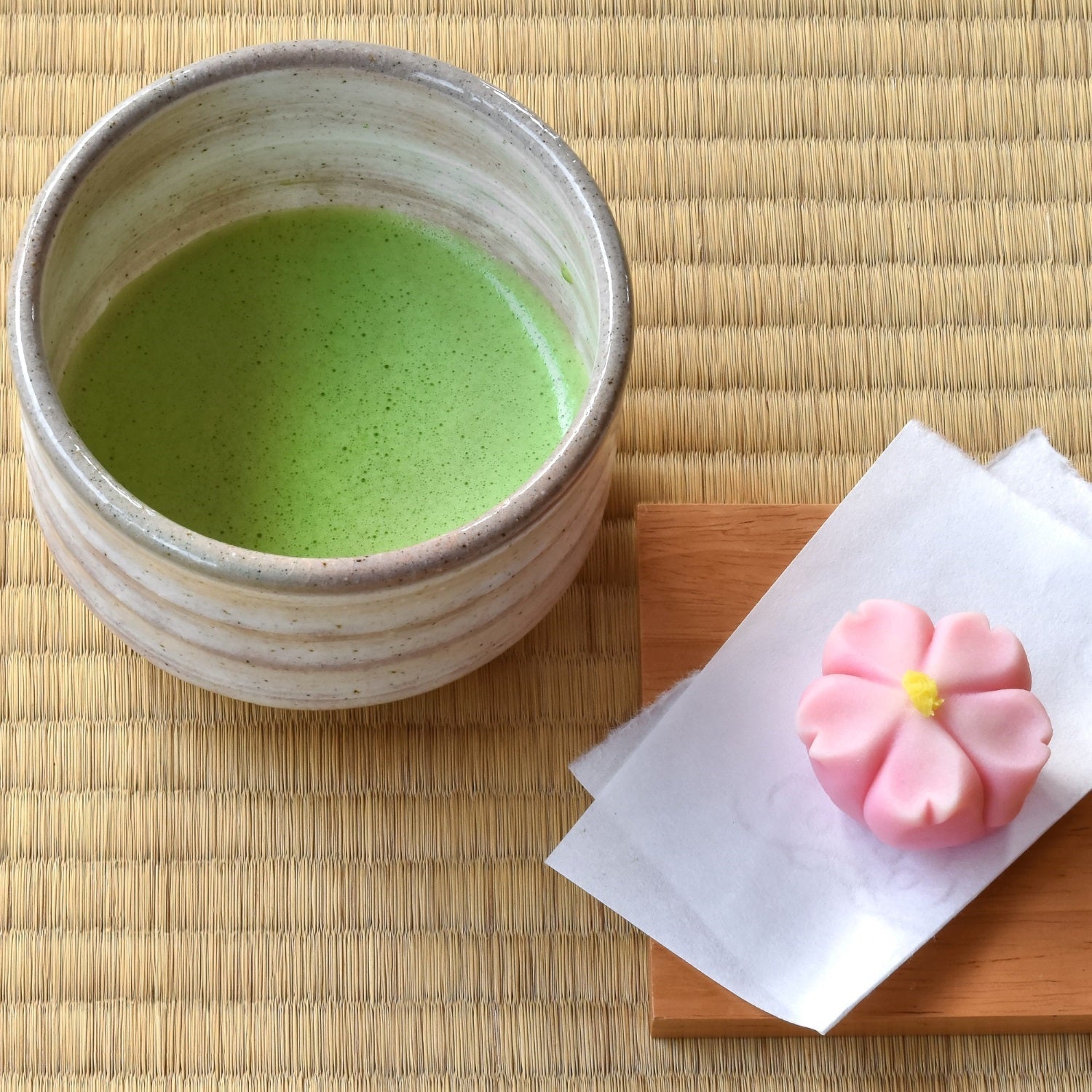
Matcha is made from tencha, a special shade-grown tea leaf cultivated in renowned tea regions like Uji.
How Matcha Is Made
Tea leaves are steamed
Carefully dried
Stems and veins are removed
Processed into tencha
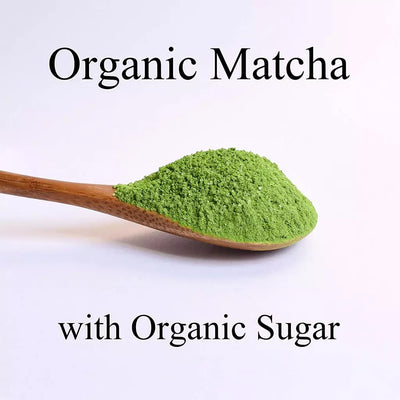
Slowly stone-milled into fine powder
Because you consume the entire leaf in powdered form, matcha delivers concentrated nutrients.
Nutritional Benefits of Matcha
Rich in catechins (powerful antioxidants)
Contains L-theanine for calm focus
Vitamins A, C, and E
Dietary fiber
Caffeine Content
Approximately 68mg per serving
Why Choose Matcha?
Supports antioxidant protection
Enhances concentration
Promotes metabolism
Ideal for morning energy
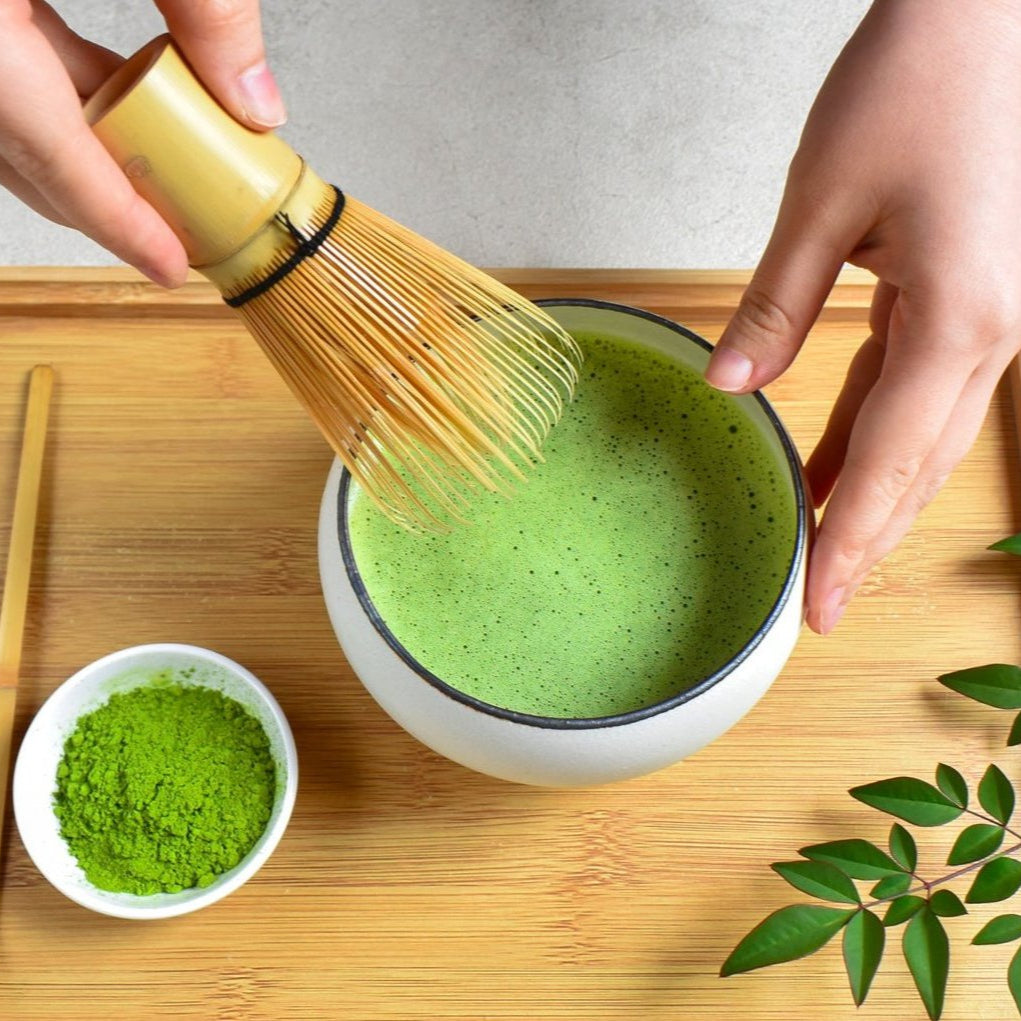
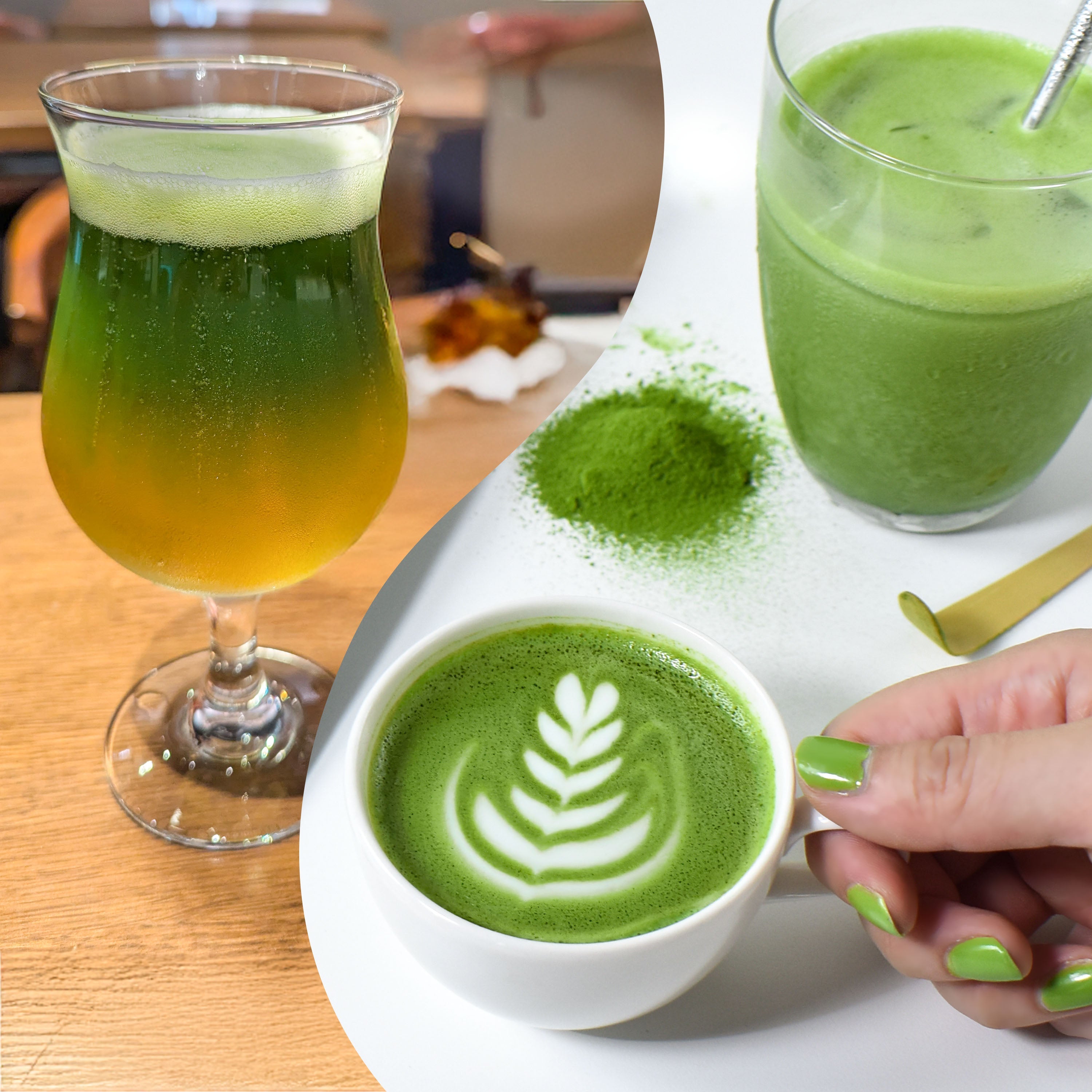
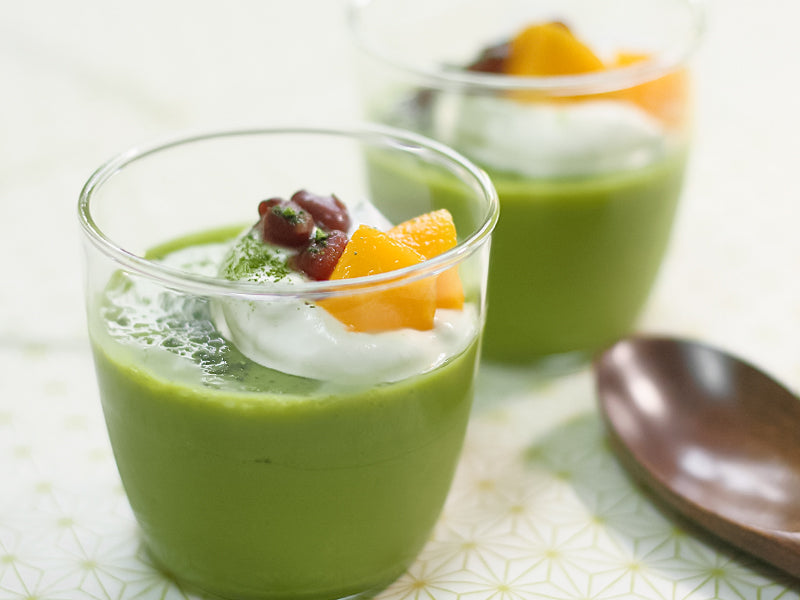
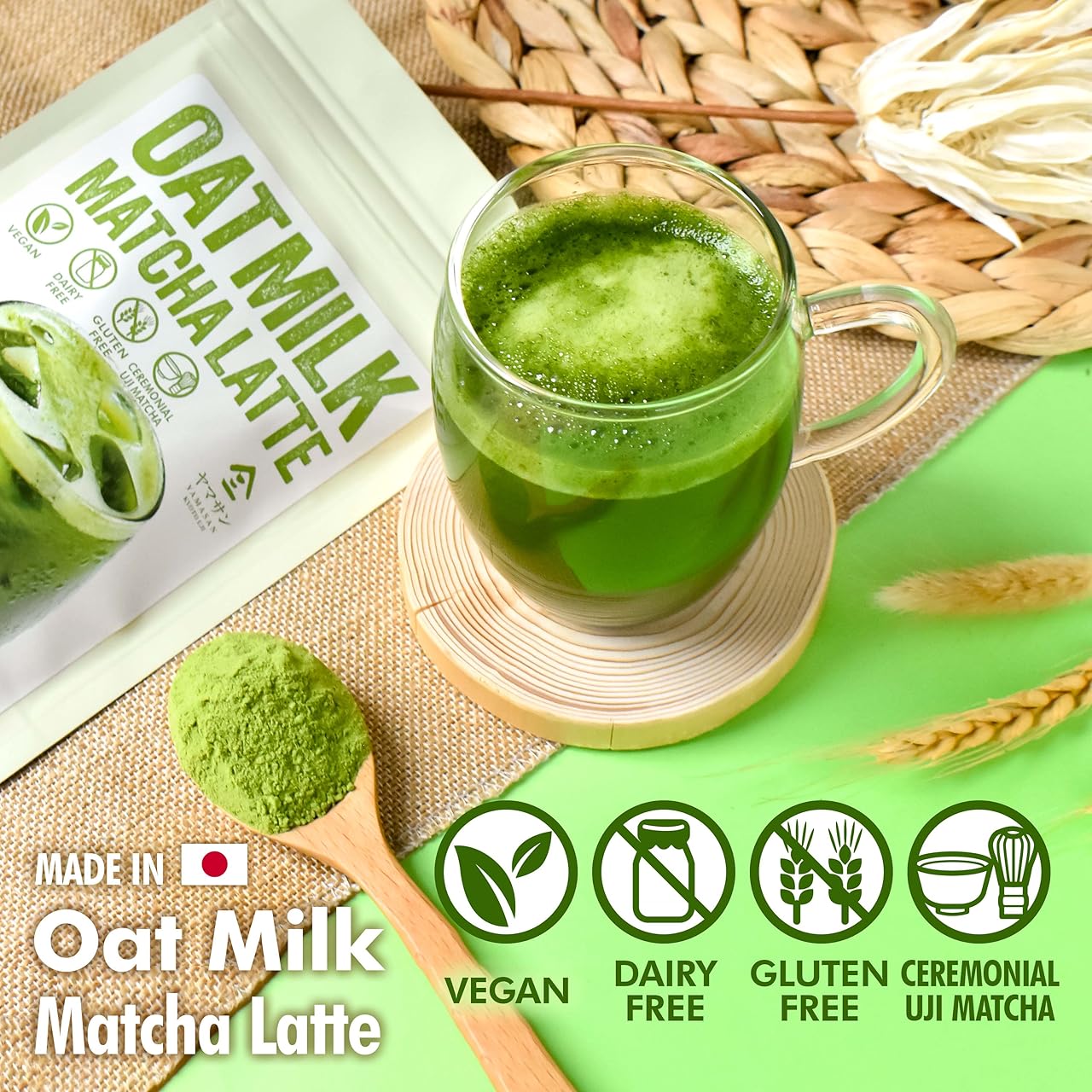
With its vibrant green color and umami-rich taste, matcha is perfect for lattes, smoothies, baking, or traditional tea preparation.
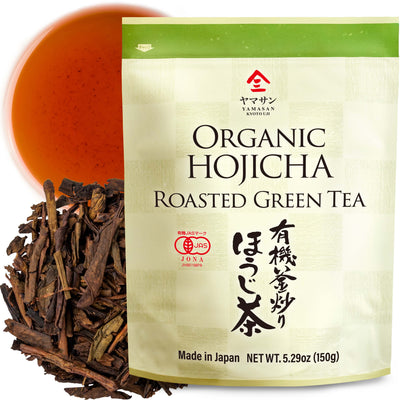
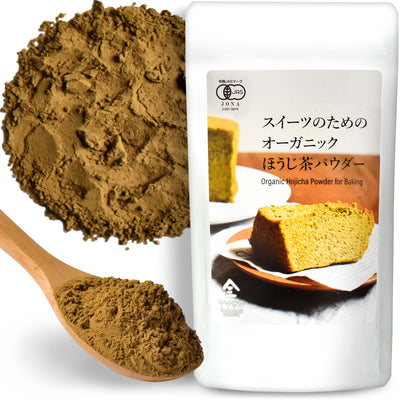
🔥 What Is Hojicha Powder?
Hojicha powder is made from roasted green tea leaves such as:
Sencha
Bancha
Stem tea
Unlike matcha, hojicha is roasted at high temperature, which changes its color, flavor, and caffeine content.
How Hojicha Is Made
Green tea leaves are strongly roasted
Then ground into fine powder
Nutritional Characteristics
Roasting reduces Vitamin C
Increases pyrazine, a compound responsible for its nutty aroma
May help promote blood circulation
Caffeine Content
Approximately 20mg per serving
Why Choose Hojicha?
Low caffeine
Gentle on the stomach
Naturally relaxing
Perfect for evening drinks
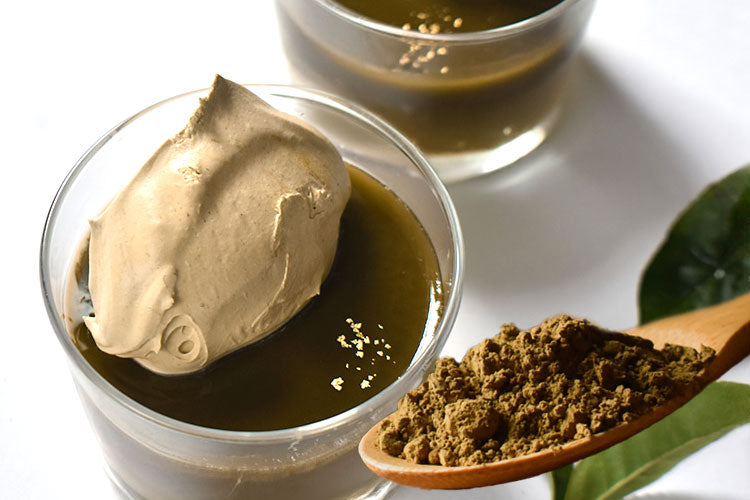
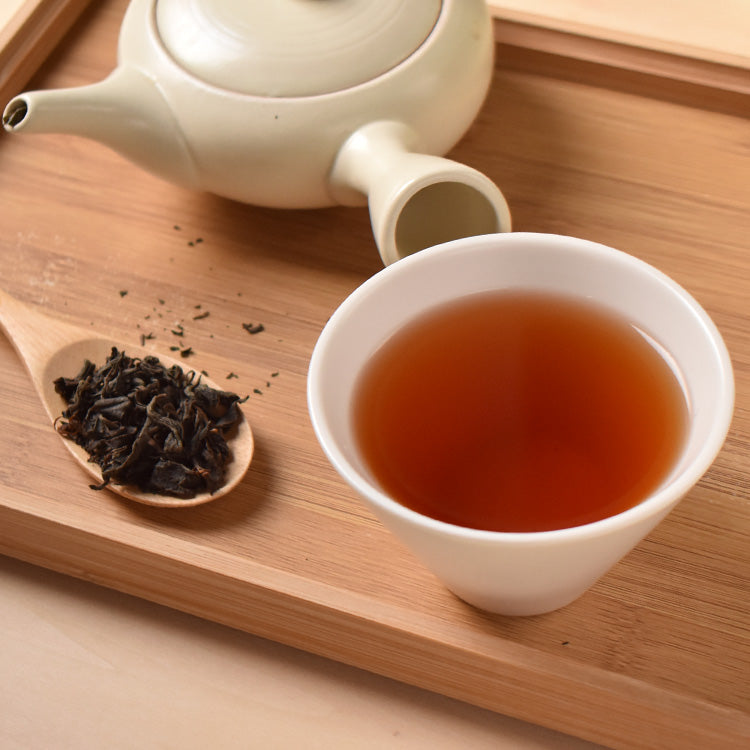
Hojicha has a warm brown color and a smooth, roasted flavor with natural sweetness and almost no bitterness.
🍵 Matcha vs Hojicha: Quick Comparison
Feature
Matcha Powder
Hojicha Powder
Raw Material
Tencha (shade-grown)
Sencha, Bancha, or Stem Tea
Processing
Steamed & Stone-milled
High-temperature Roasted
Color
Bright Green
Warm Brown
Flavor
Umami, vegetal, rich
Nutty, roasted, mild
Caffeine
~68mg
~20mg
Best For
Energy & Focus
Relaxation & Evening Tea
Which One Should You Choose?
Choose matcha powder if you want:
Natural energy
High antioxidants
A vibrant green latte or smoothie
Choose hojicha powder if you prefer:
Low caffeine
A gentle, calming drink
A roasted, nutty flavor
Many tea lovers actually enjoy both — matcha in the morning for focus, hojicha in the evening to unwind.
Final Thoughts
Both matcha and hojicha are traditional Japanese teas with unique benefits. Whether you’re looking for antioxidant-rich energy or a soothing roasted tea experience, understanding their differences helps you make the best choice for your health and taste preferences.
If you’re exploring premium Japanese tea, especially from historic tea regions like Uji, choosing high-quality stone-milled matcha or carefully roasted hojicha makes all the difference.