Guides & How To's
Guides & How To's
Matcha vs Green Tea: What’s the Difference?
by B2C Yamasan on Mar 13 2026
Both matcha and green tea come from the same plant, Camellia sinensis. However, the difference between matcha and green tea lies in how the tea is grown, processed, prepared, and consumed.
Matcha is a finely ground powder made from shade-grown tea leaves, while green tea (such as sencha) is made from sun-grown leaves that are brewed in water. These differences result in unique flavors, colors, and nutritional benefits.
In this guide, we’ll explain matcha vs green tea in detail so you can understand which tea is right for you.
Matcha vs Green Tea: Quick Comparison
Category
Matcha
Green Tea (Sencha)
Tea Plant
Camellia sinensis
Camellia sinensis
Cultivation
Shade-grown before harvest
Grown in full sunlight
Processing
Stone-ground into fine powder
Steamed, rolled, and dried
Appearance
Bright green powder
Needle-shaped tea leaves
Preparation
Powder whisked directly in water
Leaves brewed in hot water
Taste
Rich umami, creamy, slightly bitter
Fresh, grassy, slightly astringent
Nutrition
Entire leaf consumed
Only brewed extract consumed
Key Differences Between Matcha and Green Tea
1. Cultivation Method
One of the biggest differences between matcha and green tea is the cultivation method.
Matcha is made from tea leaves that are shade-grown for about 2–3 weeks before harvest. Farmers cover the tea plants to block sunlight, which increases L-theanine, the amino acid responsible for matcha’s rich umami flavor and vibrant green color.
Green tea such as sencha is grown in full sunlight. Because of this, the tea develops higher catechin levels, giving it a more refreshing bitterness and grassy aroma.
2. Processing Method
The production process is another key difference.
Matcha is made from tea leaves called tencha. These leaves are steamed and dried without being rolled. After drying, they are slowly ground with traditional stone mills into a very fine powder.
Green tea (especially sencha) undergoes a rolling process after steaming. Rolling shapes the leaves into thin needle-like forms and helps release flavor during brewing.
3. Flavor and Drinking Experience
The taste of matcha and green tea is noticeably different.
Matcha has a rich, creamy texture with strong umami and mild bitterness. Because the tea is powdered, the flavor is concentrated and full-bodied.
Green tea is lighter and more refreshing, with a delicate balance of sweetness, bitterness, and grassy notes.
4. Nutritional Differences
Another important difference between matcha vs green tea is how the nutrients are consumed.
When drinking matcha, you ingest the entire tea leaf in powdered form. This means you receive higher amounts of nutrients such as:
Antioxidants (catechins)
L-theanine
Vitamin A
Vitamin E
Dietary fiber
Green tea is brewed by steeping leaves in water. As a result, you only consume the extracted compounds that dissolve into the water.
Matcha vs Powdered Green Tea
Many people confuse matcha with powdered green tea, but they are not the same.
Powdered green tea is typically made by grinding regular green tea leaves such as sencha. Because the leaves are not shade-grown, the flavor, color, and quality are different from authentic matcha.
Authentic matcha is always made from shade-grown tencha leaves that are stone-ground into powder.
Matcha vs Green Tea: Which Is Better?
Choosing between matcha and green tea depends on your preference.
Choose matcha if you want:
Rich umami flavor
Higher concentration of nutrients
A creamy tea texture
A tea suitable for lattes and desserts
Choose green tea if you prefer:
A light and refreshing drink
A traditional brewed tea experience
Lower caffeine intensity
Both teas are essential parts of Japanese tea culture and offer unique health benefits.
Final Thoughts
Although matcha and green tea come from the same plant, their cultivation, processing, flavor, and nutritional profiles are very different.
Matcha offers a rich, concentrated tea experience, while green tea provides a light and refreshing beverage enjoyed daily across Japan.
Whether you enjoy a bowl of traditional matcha or a cup of freshly brewed green tea, both drinks bring the taste of authentic Japanese tea culture into your home.
Guides & How To's
How to Make Matcha Latte at Home (Easy Recipe)
by B2C Yamasan on Mar 13 2026
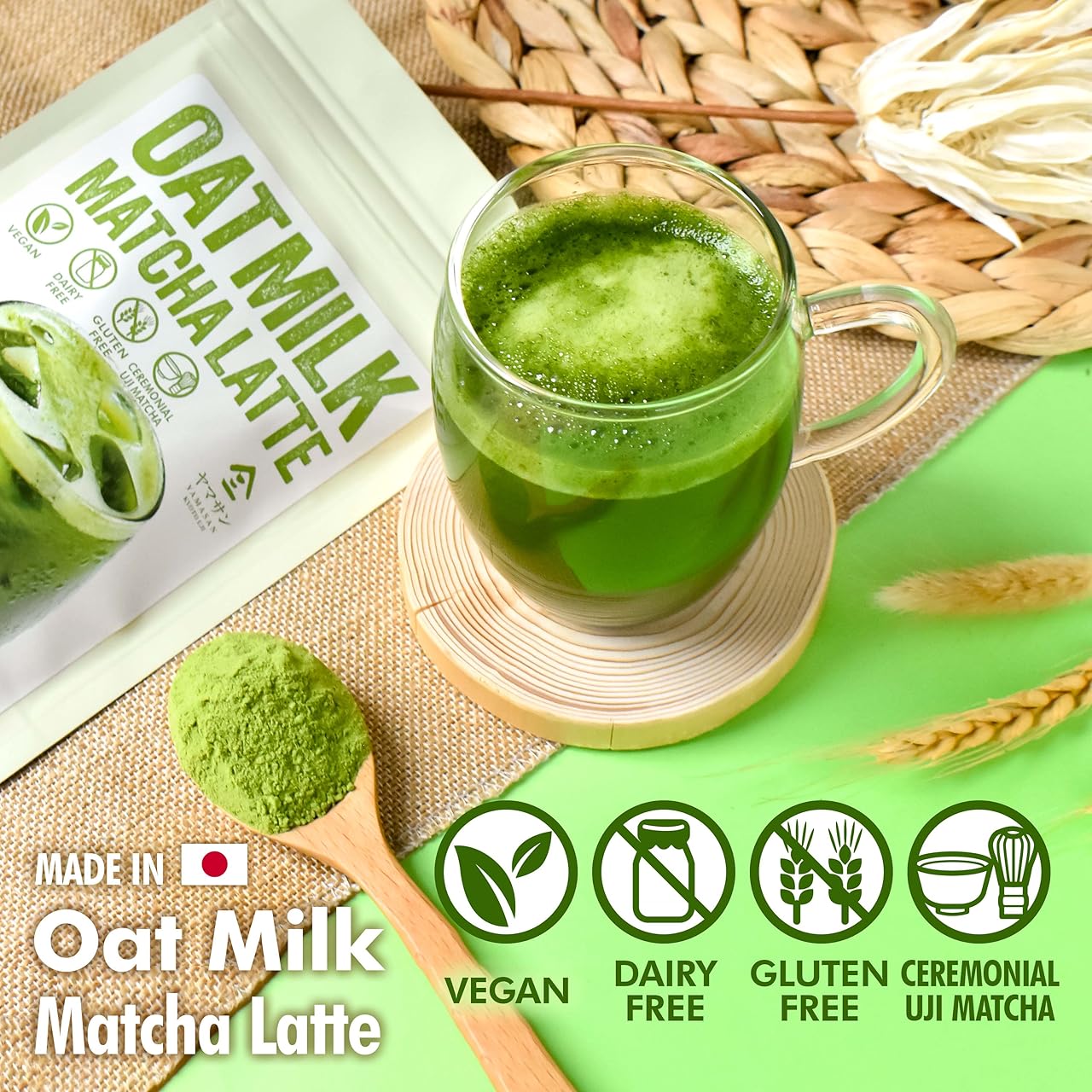
A matcha latte is one of the easiest ways to enjoy authentic Japanese matcha at home. With its rich umami flavor, vibrant green color, and creamy texture, matcha latte has become a favorite drink worldwide.
The good news is that you don’t need to visit a café to enjoy it — you can easily make a delicious matcha latte in your own kitchen with just a few simple tools.
In this guide, we’ll show you how to whisk matcha properly and turn it into a smooth homemade matcha latte.
What You Need to Prepare
Before making matcha, prepare the following tools and ingredients:
Ingredients
1.5–2 g sifted matcha powder (about 1 teaspoon)
60–70 ml hot water (around 80°C / 176°F)
150–200 ml milk (dairy or plant-based)
Optional: sweetener such as honey, sugar, or maple syrup
Tools
Matcha bowl (chawan)
Bamboo whisk (chasen)
Matcha scoop (chashaku) or teaspoon
Small sieve (for sifting matcha)
Preparing the Tools
1. Soften the Bamboo Whisk
Before using the bamboo whisk, pour some warm water into the bowl and soak the tips of the whisk briefly.
This step helps soften the bamboo and prevents the delicate prongs from breaking.
Afterward, discard the water and wipe the bowl dry.
Step-by-Step: How to Whisk Matcha
1. Sift the Matcha
Place 1.5–2 g of matcha powder into the bowl using a sieve.Sifting removes clumps and helps create a smoother drink.
2. Add Hot Water
Pour 60–70 ml of hot water (about 80°C) into the bowl.Avoid boiling water, as it can make matcha taste bitter.
3. Mix the Matcha
Use the whisk to gently stir the matcha at the bottom of the bowl to remove any remaining lumps.
4. Whisk Quickly
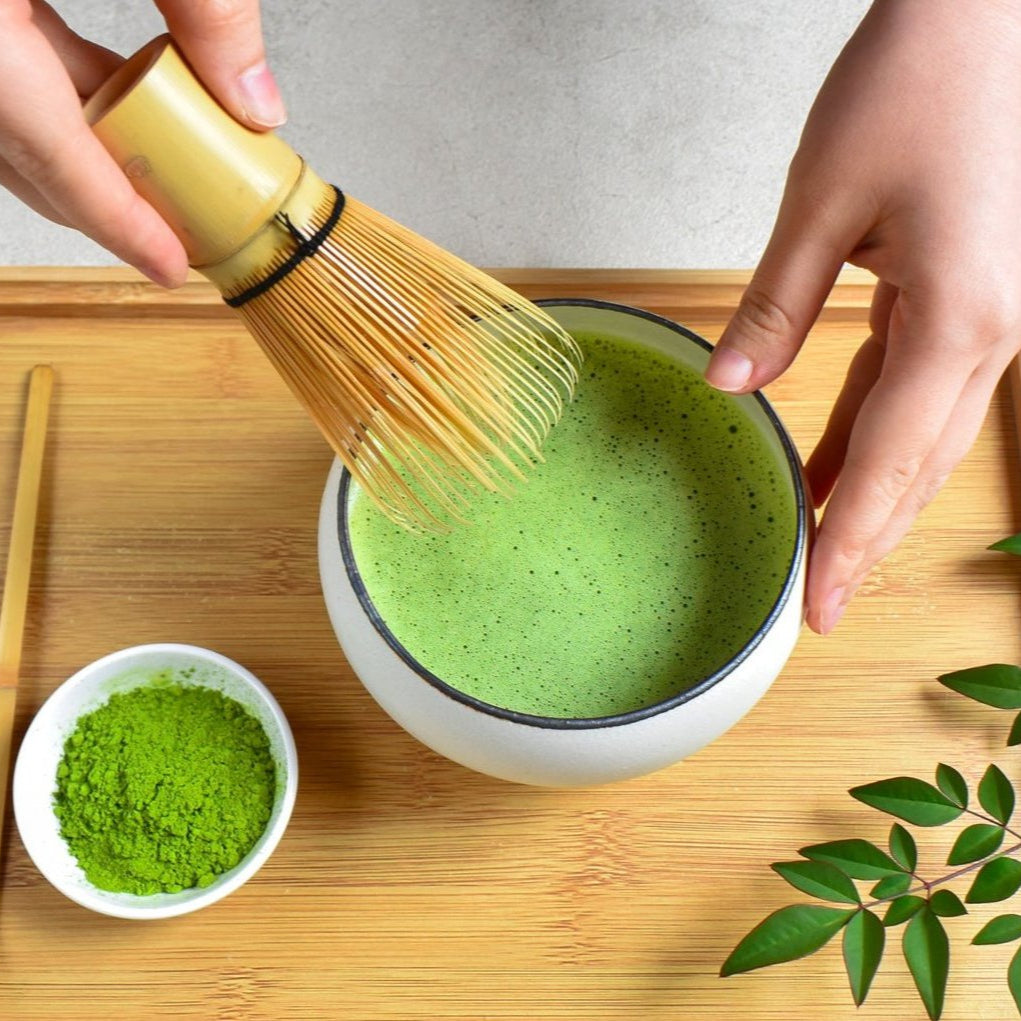
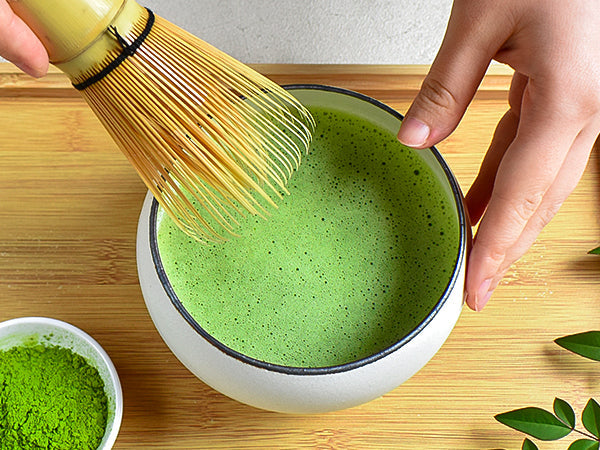
Hold the whisk vertically and whisk briskly using your wrist.Move the whisk in a quick “M” or “W” motion back and forth until a fine, creamy foam forms on the surface.
5. Finish the Matcha
Once the surface is covered with small, delicate bubbles, slowly lift the whisk from the center of the bowl.
You now have a perfectly whisked bowl of matcha.
Turn It Into a Matcha Latte
Heat and froth 150–200 ml of milk.
Pour the milk into your whisked matcha.
Add sweetener if desired.
Stir gently and enjoy your homemade matcha latte.
Tips for Making Better Matcha
Use the right water temperatureThe ideal temperature is around 80°C (176°F). Boiling water can destroy matcha’s delicate flavor.
Whisk using your wristInstead of stirring in circles, whisk quickly back and forth to create fine foam.
Use the right matcha ratioA good balance is 2 g matcha with 60–70 ml water before adding milk.
Aim for fine foamThe best matcha has a smooth layer of tiny bubbles on top.
No Bamboo Whisk? No Problem
If you don’t have a bamboo whisk, you can still prepare matcha using simple kitchen tools.
Try one of these alternatives:
A teaspoon in a mug
A small milk frother
A shake bottle or jar
Mix the matcha with a small amount of water first to create a smooth paste, then add the remaining water and milk.
Enjoy Authentic Matcha at Home
Making matcha at home is simple, relaxing, and rewarding. With high-quality matcha and a little practice, you can enjoy a café-style matcha latte anytime.
Whether you prefer it hot, iced, or slightly sweetened, matcha brings the taste of Japanese tea culture right into your home.
Guides & How To's
Discover Japanese Green Tea: A Beginner’s Guide to Matcha, Gyokuro, Sencha and More
by B2C Yamasan on Mar 05 2026
Japan is home to many varieties of green tea, each with its own unique cultivation method, flavor profile, and cultural significance. From the luxurious sweetness of Gyokuro to the roasted aroma of Hojicha, Japanese teas offer a wide spectrum of tastes and experiences. Below is an introduction to some of the most popular types of Japanese tea.
Gyokuro (玉露)
Gyokuro is considered one of the highest grades of Japanese green tea. It is cultivated using a special shading method that enhances its sweetness and rich umami flavor.
About 20 days before harvest, the tea plants are shaded from sunlight using straw mats or special cloth. By limiting sunlight, the conversion of amino acids (such as theanine) into catechins is suppressed. As a result, Gyokuro develops a deep umami taste with very little bitterness.
Gyokuro is also known for its distinctive aroma called “Ooika” (covered aroma), often described as slightly reminiscent of seaweed.
Kabusecha (かぶせ茶)
Kabusecha is another shaded green tea, but the shading period is shorter than Gyokuro, typically around one week.
During this time, the tea plants are covered with straw mats or cloth to reduce sunlight. This process produces tea leaves with a deep green color, mild bitterness, and a rich umami flavor.
Kabusecha can be considered a balance between Gyokuro and Sencha, combining sweetness with the refreshing qualities of regular green tea.
Sencha (煎茶)
Sencha is the most commonly consumed tea in Japan and represents the classic Japanese green tea experience.
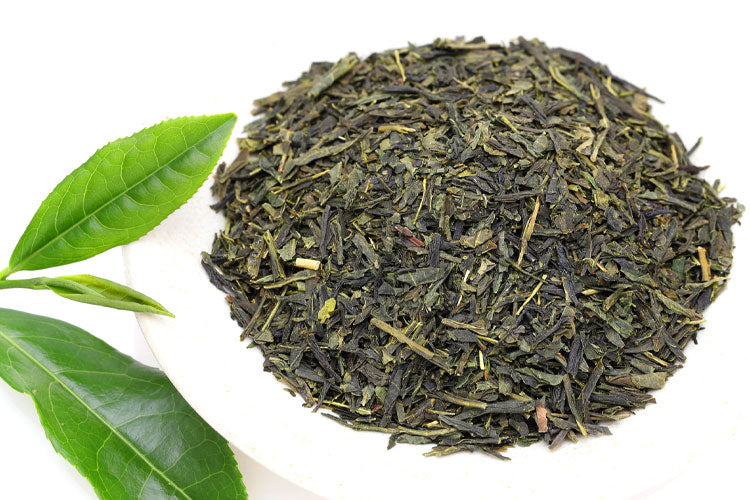
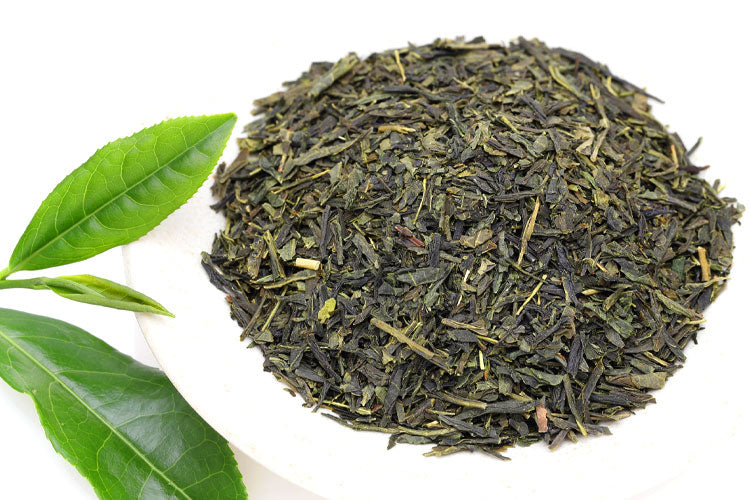
After the tea leaves are harvested, they are quickly steamed or heated to stop oxidation, making it a non-fermented tea. The leaves are then rolled and dried to preserve their flavor.
Sencha offers a refreshing taste with a balance of umami, mild bitterness, and grassy aroma, making it a daily favorite for many Japanese households.
Sencha green tea
First-hervest sencha
Sakura Sencha
Fukamushi Sencha (深蒸し煎茶)
Fukamushi Sencha, or deep-steamed green tea, is a variation of Sencha.
The tea leaves are steamed about twice as long as regular Sencha, which breaks the leaves into smaller particles. This results in a tea with:
A richer green color
Fuller flavor
Less bitterness
Because the leaves are finely broken, more of the tea’s beneficial components are released into the cup.
Fukamushi Green Tea (Loose Leaf)
Kukicha (茎茶)
Kukicha, also known as stem tea, is made from the stems of young tea shoots that are separated during the finishing process of Gyokuro or Sencha production.
This tea has a light, refreshing aroma and natural sweetness. Stems from high-grade teas such as Gyokuro are especially prized and are often called Karigane.
Organic Kukicha Tea
Matcha (抹茶)
Matcha is a powdered green tea made by grinding tencha leaves using a traditional stone mill.
Unlike other teas where the leaves are steeped and discarded, matcha is consumed entirely, allowing you to enjoy all of the nutrients from the tea leaves.
Matcha is widely known for its use in the Japanese tea ceremony, but today it is also popular in:
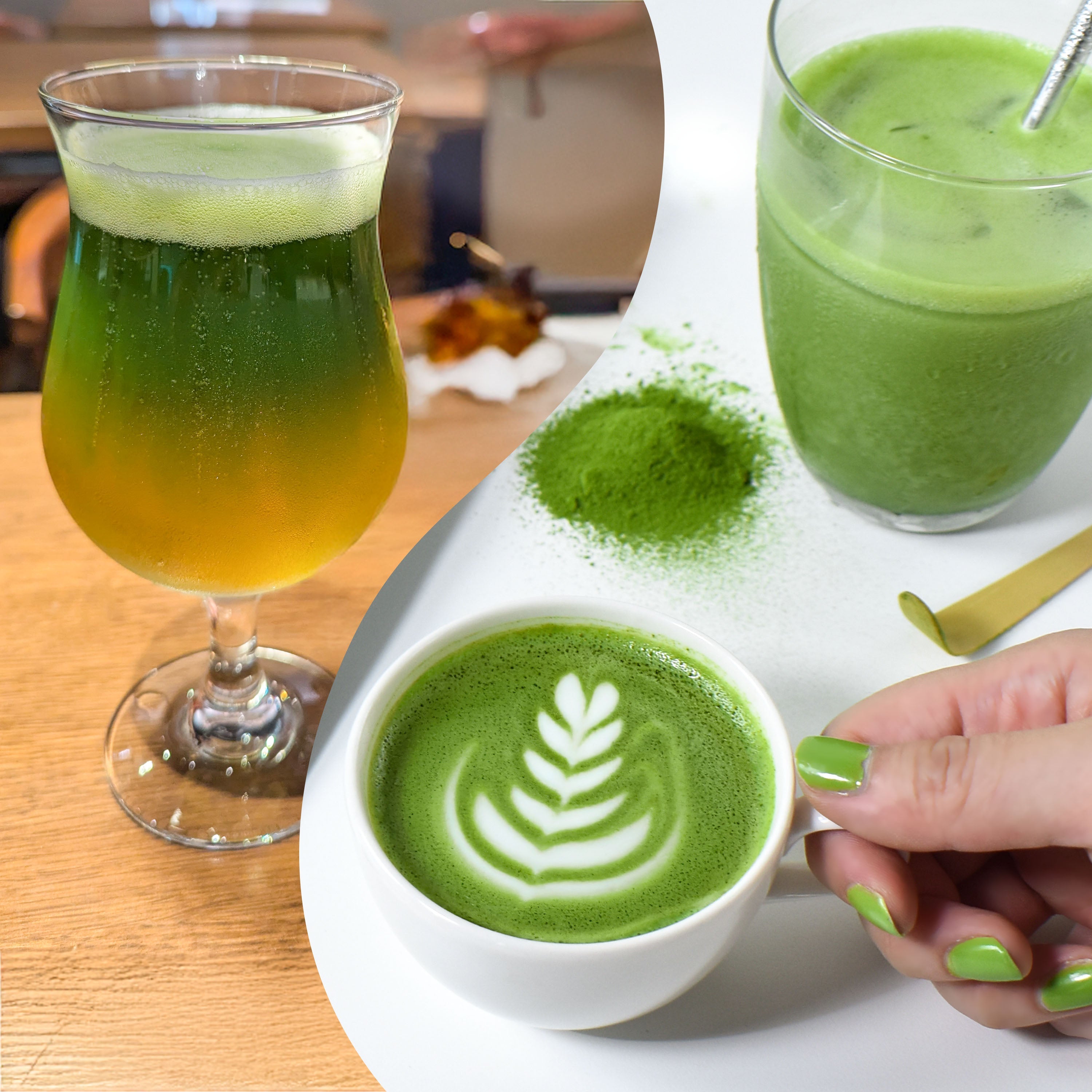
Lattes
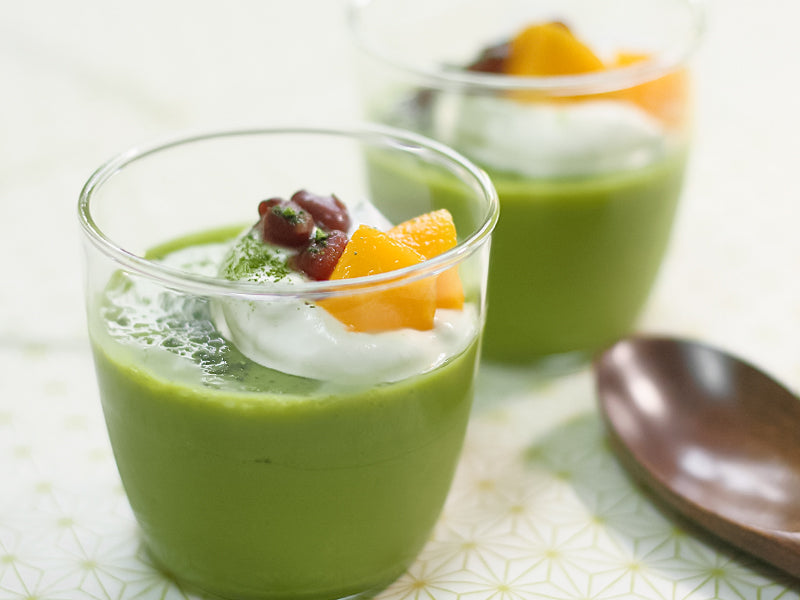
Desserts
Sweets
Modern cuisine
High-quality matcha for thick tea (Koicha) traditionally used leaves from older tea plants, while modern cultivation focuses on suitable cultivars such as Samidori, Gokou, Asahi, and Yabukita
.
Organic Ceremonial Grade Matcha
Official store exclusive matcha
More Matcha
Hojicha (ほうじ茶)
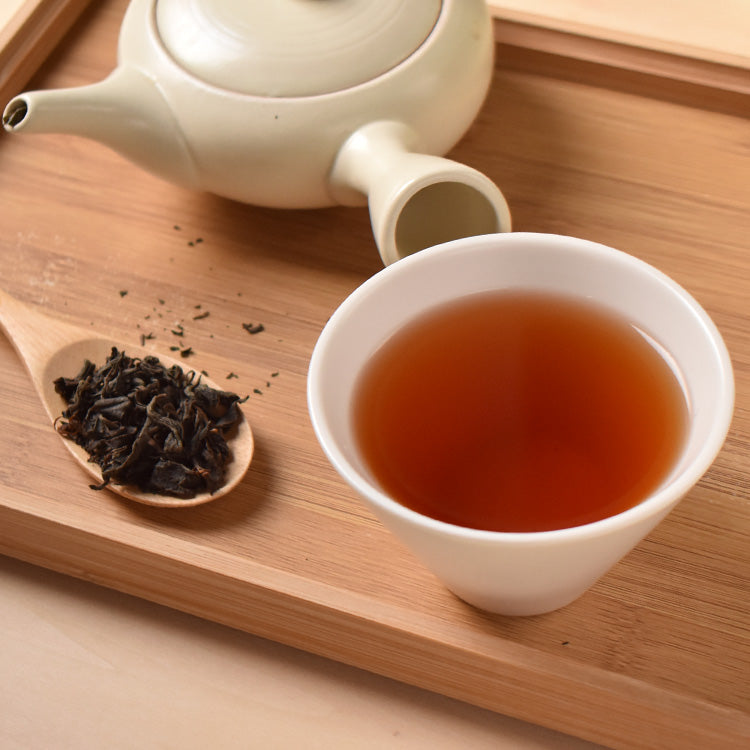
Hojicha is a roasted green tea made by roasting Sencha, Bancha, or Kukicha at high temperatures.
The roasting process gives Hojicha its distinctive:
Toasty aroma
Warm brown color
Low bitterness
Because roasting reduces caffeine content, Hojicha is often enjoyed by children and older adults, and it is commonly served in the evening.
Hojicha Tea
Organic Hojicha Powder
Hojicha Latte Powder
Genmaicha (玄米茶)
Genmaicha is a blend of green tea (Sencha or Bancha) and roasted brown rice.
The roasted rice gives the tea a pleasant nutty aroma, while the green tea adds freshness and light bitterness. Since the amount of tea leaves is reduced, Genmaicha also contains less caffeine, making it a gentle and easy-to-drink tea for people of all ages.
Genmaicha Green Tea
✨ Discover the diversity of Japanese tea and find your favorite flavor.
From the refined sweetness of Gyokuro to the comforting aroma of Hojicha, each tea reflects the craftsmanship and tradition of Japanese tea culture.
Guides & How To's
Matcha Powder vs Hojicha Powder: What’s the Difference?
by B2C Yamasan on Feb 24 2026
Matcha Powder vs Hojicha Powder: What’s the Difference?
If you’re exploring authentic Japanese tea for your daily routine, you may be wondering: Matcha or Hojicha?
Both are traditional Japanese green teas, but their flavor, caffeine level, and health benefits are very different. Here’s a clear guide to help you choose the right one for your lifestyle.
🌿 What Is Matcha Powder?
Matcha is made from tencha, a special shade-grown tea leaf cultivated in renowned tea regions like Uji.
How Matcha Is Made
Tea leaves are steamed
Carefully dried
Stems and veins are removed
Processed into tencha
Slowly stone-milled into fine powder
Because you consume the entire leaf in powdered form, matcha delivers concentrated nutrients.
Nutritional Benefits of Matcha
Rich in catechins (powerful antioxidants)
Contains L-theanine for calm focus
Vitamins A, C, and E
Dietary fiber
Caffeine Content
Approximately 68mg per serving
Why Choose Matcha?
Supports antioxidant protection
Enhances concentration
Promotes metabolism
Ideal for morning energy
With its vibrant green color and umami-rich taste, matcha is perfect for lattes, smoothies, baking, or traditional tea preparation.
🔥 What Is Hojicha Powder?
Hojicha powder is made from roasted green tea leaves such as:
Sencha
Bancha
Stem tea
Unlike matcha, hojicha is roasted at high temperature, which changes its color, flavor, and caffeine content.
How Hojicha Is Made
Green tea leaves are strongly roasted
Then ground into fine powder
Nutritional Characteristics
Roasting reduces Vitamin C
Increases pyrazine, a compound responsible for its nutty aroma
May help promote blood circulation
Caffeine Content
Approximately 20mg per serving
Why Choose Hojicha?
Low caffeine
Gentle on the stomach
Naturally relaxing
Perfect for evening drinks
Hojicha has a warm brown color and a smooth, roasted flavor with natural sweetness and almost no bitterness.
🍵 Matcha vs Hojicha: Quick Comparison
Feature
Matcha Powder
Hojicha Powder
Raw Material
Tencha (shade-grown)
Sencha, Bancha, or Stem Tea
Processing
Steamed & Stone-milled
High-temperature Roasted
Color
Bright Green
Warm Brown
Flavor
Umami, vegetal, rich
Nutty, roasted, mild
Caffeine
~68mg
~20mg
Best For
Energy & Focus
Relaxation & Evening Tea
Which One Should You Choose?
Choose matcha powder if you want:
Natural energy
High antioxidants
A vibrant green latte or smoothie
Choose hojicha powder if you prefer:
Low caffeine
A gentle, calming drink
A roasted, nutty flavor
Many tea lovers actually enjoy both — matcha in the morning for focus, hojicha in the evening to unwind.
Final Thoughts
Both matcha and hojicha are traditional Japanese teas with unique benefits. Whether you’re looking for antioxidant-rich energy or a soothing roasted tea experience, understanding their differences helps you make the best choice for your health and taste preferences.
If you’re exploring premium Japanese tea, especially from historic tea regions like Uji, choosing high-quality stone-milled matcha or carefully roasted hojicha makes all the difference.
Guides & How To's
by B2C Yamasan on May 14 2025
Yamasan Organic Matcha Grades
Discover our premium matcha from Kyoto and Kagoshima. Each grade is carefully crafted for its specific use—whether it's for tea ceremonies, lattes, or culinary creations.
🍃 Yamasan Organic Ceremonial Grade Matcha (For Tea Ceremony)
Powder Color: Deep and darker green
Taste: Creamy and sweet with umami flavor. No bitterness.
Cultivar: Sae-midori, Oku-midori
Picking Method: 1st harvest only
Shop Now - Ceremonial Grade Matcha
ヤマサン オーガニック セレモニアルグレード抹茶(茶道用)
京都府・鹿児島県産抹茶
粉の色:濃く深い緑色
味わい:クリーミーで甘く、旨味が感じられる味わい。苦味は一切なし。
品種:さえみどり、奥みどり
摘み取り方法:一番茶のみ使用
☕ Yamasan Organic Cafe / Latte Grade Matcha (For Drinking with Milk or Coffee)
Powder Color: Bright green
Taste: Light sweetness with a slight bitterness at the end
Cultivar: Yabukita, Oku-midori
Picking Method: 1st and 2nd harvest mixed. Machine picking
Shop Now - Cafe Latte Grade Matcha
ヤマサン オーガニック カフェ/ラテグレード抹茶(ミルクやコーヒーと一緒に楽しむ用)
粉の色:鮮やかな緑色
味わい:最初は軽やかな甘さが感じられ、後味にわずかな苦味あり
品種:やぶきた、奥みどり
摘み取り方法:一番茶と二番茶をブレンド、機械摘み
🍰 Yamasan Organic Culinary Grade Matcha (For Baking, Desserts, and Ice Cream)
Powder Color: Light green
Taste: Sweetness and bitterness with a strong tea aroma
Cultivar: Yabukita from Kagoshima
Picking Method: 1st and 3rd harvest mixed. Machine picking
Shop Now - Culinary Grade Matcha
ヤマサン オーガニック クッキンググレード抹茶(お菓子作りやデザート、アイスクリーム用)
粉の色:薄い緑色
味わい:甘さと苦味がバランスよく、濃いお茶の香り
品種:鹿児島県産やぶきた
摘み取り方法:一番茶と三番茶をブレンド、機械摘み
🔍 Key Differences Between Matcha Grades
Color: 1st harvest leaves have vivid, deep blue-green color, while the 2nd and 3rd harvest leaves have more yellow and a faded color.
Aroma: 1st harvest leaves contain a rich, roasted, chocolate-like, or nutty aroma, while the 2nd and 3rd harvest leaves have a weaker aroma and can lose it if improperly stored.
Taste: 1st harvest leaves have more sweetness and umami, while 3rd harvest leaves tend to have a lot more bitterness.
色: 一番茶の葉は鮮やかで深い青緑色をしています。二番茶や三番茶は黄色味が強く、色が薄くなります。
香り: 一番茶の葉は豊かな香りを持ちます(焙煎のような香り、チョコレートのような香り、ナッツのような香りなど)。二番茶や三番茶の葉は香りが少なくなり、不適切な保存方法では香りが消えてしまうこともあります。
味: 一番茶の葉は甘さと旨味が豊富に含まれていますが、三番茶は苦味が多くなります。
Guides & How To's
What is Matcha? Your Guide to the Green Tea Trend 🌿
by B2C Yamasan on May 02 2025
Explore the matcha trend sweeping social media! Learn what matcha is, the difference between ceremonial and café grades, and how to make it the traditional way.