


















Matcha vs Green Tea: What’s the Difference?
Matcha vs Green Tea: Key Differences, Benefits, and How to Choose
Both matcha and green tea come from the same plant, Camellia sinensis. However, the difference between matcha and green tea lies in how the tea is grown, processed, prepared, and consumed.
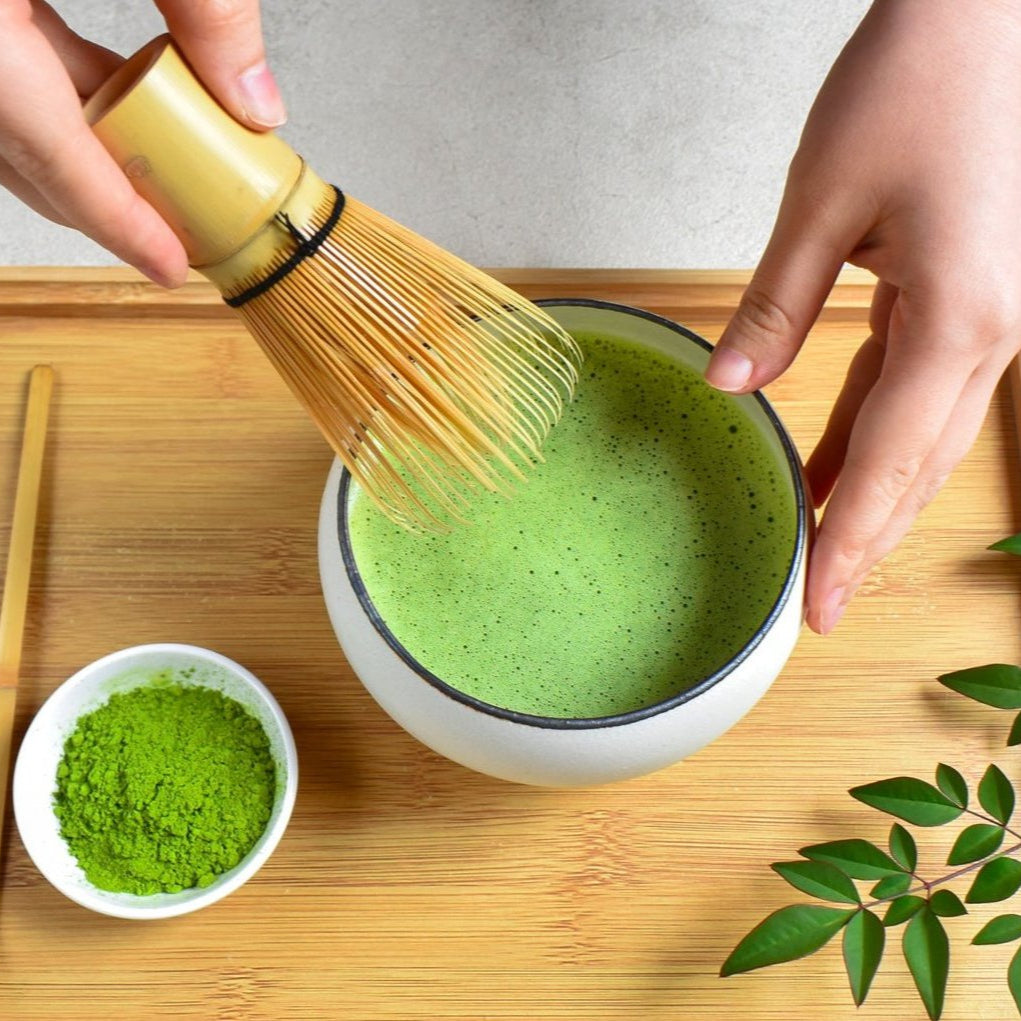
Matcha is a finely ground powder made from shade-grown tea leaves, while green tea (such as sencha) is made from sun-grown leaves that are brewed in water. These differences result in unique flavors, colors, and nutritional benefits.
In this guide, we’ll explain matcha vs green tea in detail so you can understand which tea is right for you.

Matcha vs Green Tea: Quick Comparison
| Category | Matcha | Green Tea (Sencha) |
|---|---|---|
| Tea Plant | Camellia sinensis | Camellia sinensis |
| Cultivation | Shade-grown before harvest | Grown in full sunlight |
| Processing | Stone-ground into fine powder | Steamed, rolled, and dried |
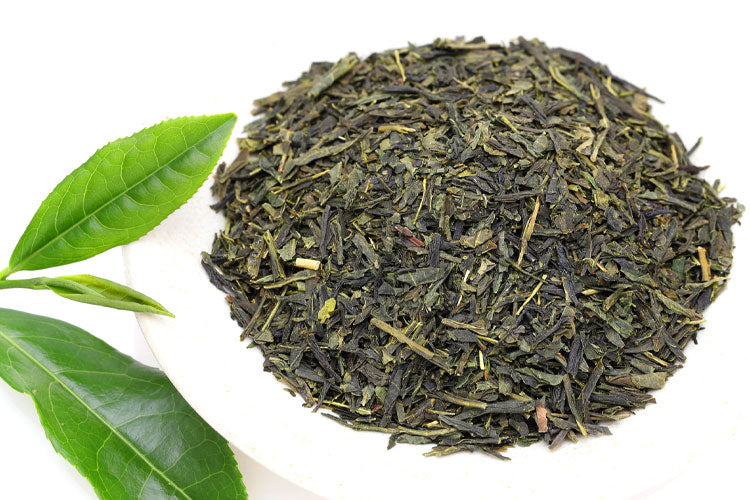
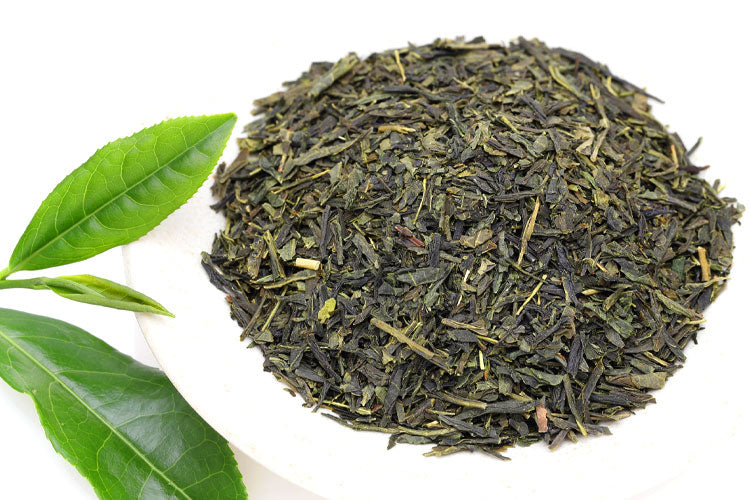
| Appearance | Bright green powder | Needle-shaped tea leaves |
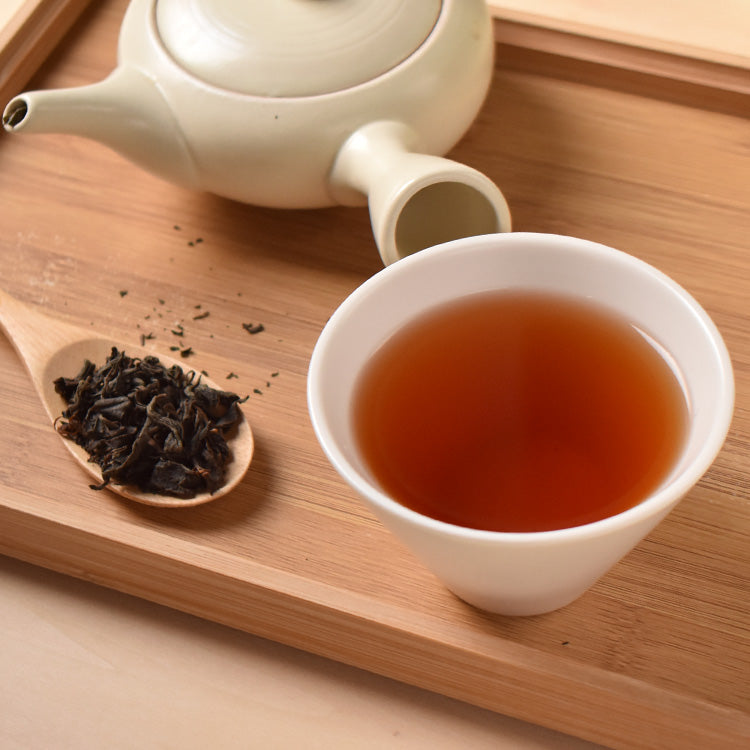
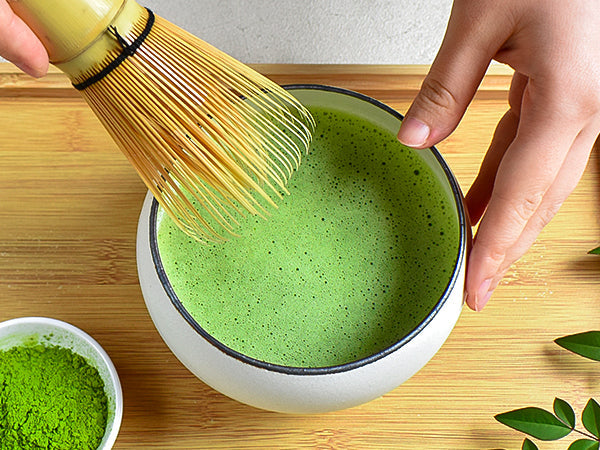
| Preparation | Whisked in water | Brewed in hot water |
| Taste | Rich umami, creamy | Fresh, grassy |
| Nutrition | Whole leaf consumed | Extract only |
Key Differences Between Matcha and Green Tea
1. Cultivation Method
One of the biggest differences between matcha and green tea is the cultivation method.
Matcha is made from tea leaves that are shade-grown for about 2–3 weeks before harvest. Farmers cover the tea plants to block sunlight, which increases L-theanine, the amino acid responsible for matcha’s rich umami flavor and vibrant green color.
Green tea, such as sencha, is grown in full sunlight. Because of this, the tea develops higher catechin levels, giving it a more refreshing bitterness and grassy aroma.
2. Processing Method
The production process is another key difference.
Matcha is made from tea leaves called tencha. These leaves are steamed and dried without being rolled. After drying, they are slowly ground with traditional stone mills into a very fine powder.
Green tea (especially sencha) undergoes a rolling process after steaming. Rolling shapes the leaves into thin, needle-like forms and helps release flavor during brewing.
3. Flavor and Drinking Experience
The taste of matcha and green tea is noticeably different.
Matcha has a rich, creamy texture with strong umami and mild bitterness. Because the tea is powdered, the flavor is concentrated and full-bodied.
Green tea is lighter and more refreshing, with a delicate balance of sweetness, bitterness, and grassy notes.
4. Nutritional Differences
Another important difference between matcha and green tea is how the nutrients are consumed.
When drinking matcha, you ingest the entire tea leaf in powdered form. This means you receive higher amounts of nutrients such as:
- Antioxidants (catechins)
- L-theanine
- Vitamin A
- Vitamin E
- Dietary fiber
Green tea is brewed by steeping leaves in water. As a result, you only consume the extracted compounds that dissolve into the water.
Matcha vs Powdered Green Tea
Many people confuse matcha with powdered green tea, but they are not the same.
Powdered green tea is typically made by grinding regular green tea leaves, such as sencha. Because the leaves are not shade-grown, the flavor, color, and quality are different from authentic matcha.
Authentic matcha is always made from shade-grown tencha leaves that are stone-ground into powder.
Matcha vs Green Tea: Which Is Better?
Choosing between matcha and green tea depends on your preference.
Choose matcha if you want:
- Rich umami
- More nutrients
- Creamy texture
Choose green tea if you prefer:
- Light and refreshing
- Traditional brewing
- Lower caffeine
Both teas are essential parts of Japanese tea culture and offer unique health benefits.


Final Thoughts
Although matcha and green tea come from the same plant, their cultivation, processing, flavor, and nutritional profiles are very different.
Matcha offers a rich, concentrated tea experience, while green tea provides a light and refreshing beverage enjoyed daily across Japan.
Whether you enjoy a bowl of traditional matcha or a cup of freshly brewed green tea, both drinks bring the taste of authentic Japanese tea culture into your home.

Share