

























Why Natto Is Considered One of Japan’s Greatest Superfoods

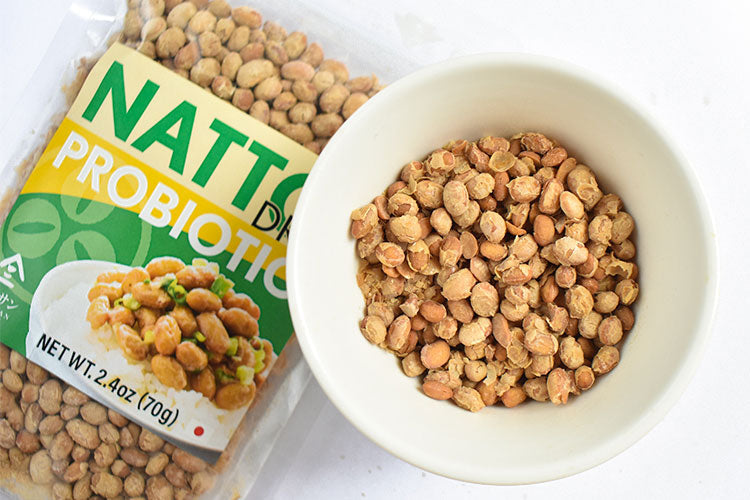
In Japan, few traditional foods are as iconic — or as nutritionally impressive — as Natto. Made by fermenting soybeans with Bacillus subtilis (natto bacteria), natto has been enjoyed for centuries as a daily source of nourishment and wellness.
Its sticky texture and rich umami flavor may surprise first-time eaters, but behind that distinctive character is a remarkable combination of plant protein, vitamins, minerals, and unique fermented compounds that support everyday health.
What Makes Natto So Special?

Unlike ordinary soybeans, natto gains additional nutrients and enzymes during the fermentation process. This means you get both the natural goodness of soybeans and the benefits created by fermentation.
A single pack of natto (about 45g) contains:
- High-quality plant protein
- Dietary fiber
- Vitamins B2, B6, E, and K
- Calcium, iron, magnesium, and potassium
- Natto-specific compounds such as nattokinase and vitamin K2
It’s a small food packed with an impressive nutritional profile.
Rich in High-Quality Plant Protein
Natto contains about 7.4g of protein per pack, comparable to roughly 54g of beef chuck roast.
Protein is one of the body’s essential nutrients. It helps build muscles, skin, hair, organs, hormones, and antibodies. Because natto is made from soybeans, it provides a high-quality plant-based protein source that fits naturally into balanced diets.
For people looking for more plant-forward meals, natto is an easy and satisfying option.
A Great Source of Dietary Fiber
Modern diets often lack enough fiber, but natto naturally contains both:
- Soluble fiber — supports fullness and digestive balance
- Insoluble fiber — helps maintain healthy digestion and gut movement
One pack contains about 3g of dietary fiber, roughly comparable to several small carrots.
This combination makes natto especially popular among people interested in gut health and everyday wellness.
Vitamin B2: A Key Benefit of Fermentation
One of natto’s standout nutrients is Vitamin B2 (riboflavin).
Soybeans themselves contain relatively little B2, but fermentation dramatically increases it. Vitamin B2 helps the body convert carbohydrates, proteins, and fats into energy and supports healthy skin, hair, and nails.
This is one reason fermented foods are so valued in traditional Japanese food culture.
Vitamins That Support Everyday Wellness
Vitamin B6Vitamin B6 plays an important role in enzyme function, nervous system health, and red blood cell production. It also supports healthy skin and daily vitality.
Vitamin EKnown for its antioxidant properties, Vitamin E helps protect cells and supports healthy circulation.
Vitamin KNatto is especially famous for its high Vitamin K content — particularly Vitamin K2, which is produced during fermentation. Vitamin K helps support normal blood clotting and healthy bones by helping the body utilize calcium properly.
Important Minerals in Natto
Natto also provides a variety of essential minerals:
With just:
- Calcium— supports bones and teeth
- Iron— helps transport oxygen throughout the body
- Magnesium— involved in hundreds of enzyme reactions
- Potassium— helps balance sodium levels in the body
Even in small servings, natto offers a surprisingly broad range of nutrients.
Unique Compounds Found Only in Natto
 Nattokinase
One of natto’s most talked-about compounds is nattokinase, an enzyme created during fermentation. It does not exist in plain soybeans.
Nattokinase is widely known in Japan as a component that supports healthy circulation and overall wellness.
Soy IsoflavonesSoy isoflavones resemble the hormone estrogen in structure and are often associated with beauty and wellness support, especially for women.
LecithinLecithin is a phospholipid connected to brain and nerve function and is often associated with memory and cognitive health.
PolyaminesPolyamines are compounds involved in cellular activity and healthy aging, making natto a food often associated with long-term vitality.
The Power of Soybeans + Fermentation
What makes natto truly fascinating is how fermentation transforms an already nutritious ingredient into something even more beneficial.
Soybeans already contain protein, minerals, and beneficial plant compounds. But when fermented into natto, they gain additional nutrients like Vitamin K2 and nattokinase — nutrients not naturally present in soybeans alone.
This combination of:
- Traditional Japanese fermentation
- Plant-based nutrition
- Convenient everyday eating
is why natto continues to be loved across generations in Japan.
A Simple Traditional Food with Modern Appeal
As more people around the world explore fermented foods and plant-based nutrition, natto is gaining attention far beyond Japan.
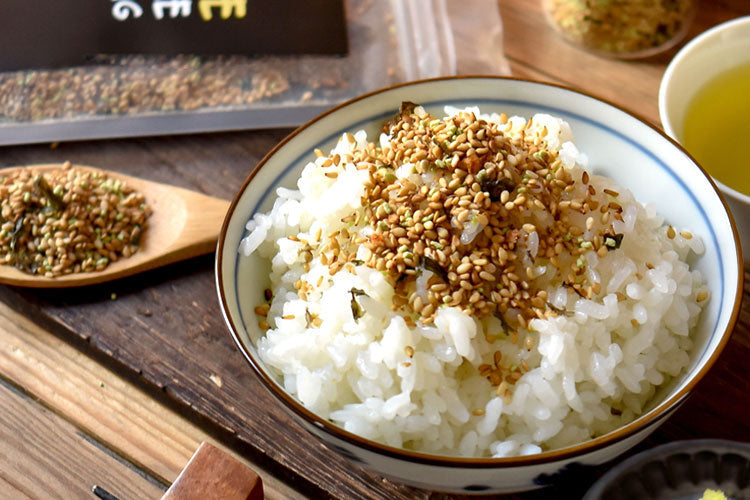
Whether enjoyed over rice, mixed into bowls, paired with noodles, or incorporated into modern recipes, natto is one of the easiest ways to add traditional Japanese wellness foods into everyday life.
Sticky, flavorful, and incredibly nutrient-dense — natto truly is one of Japan’s hidden superfoods.

Explore Our Natto Collection
Discover traditional Japanese natto products crafted for everyday wellness, nutrition, and authentic flavor.
Shop the Natto SeriesShare