






















What Is Koji? Japan’s Traditional Fermentation Secret Explained
If you have recently discovered Japanese cuisine, gut-friendly foods, or natural umami seasonings, you may have come across the word “koji.”
But what exactly is koji?
Koji is one of the most important ingredients in Japanese food culture and has been used in Japan for over 1,000 years. Today, chefs and food lovers around the world are rediscovering this traditional Japanese fermentation ingredient for its incredible flavor and versatility.
In this article, we’ll explain what koji is, how it is used, and why it is becoming popular worldwide.
What Is Koji?

Koji (麹) is steamed rice, barley, or soybeans that have been fermented with a beneficial mold called Aspergillus oryzae.
This natural fermentation process creates powerful enzymes that break down starches and proteins into sugars and amino acids. As a result, koji develops a naturally sweet, rich, and deeply savory flavor known as umami.
Koji is often called:
- The heart of Japanese fermentation
- Japan’s national mold
- The secret behind Japanese umami
In fact, many famous Japanese foods would not exist without koji.
Foods Made with Koji
Koji is the foundation of many traditional Japanese seasonings and fermented foods, including:
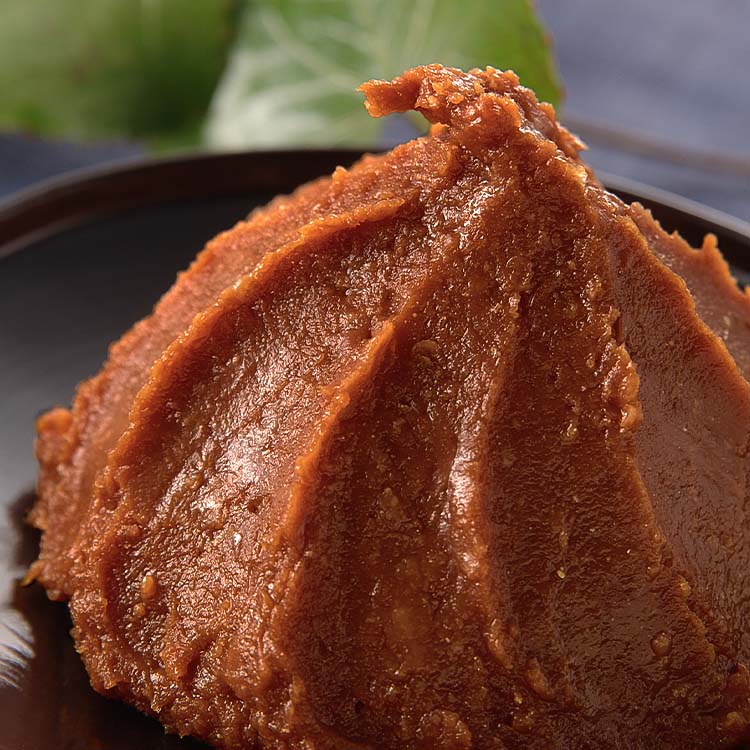
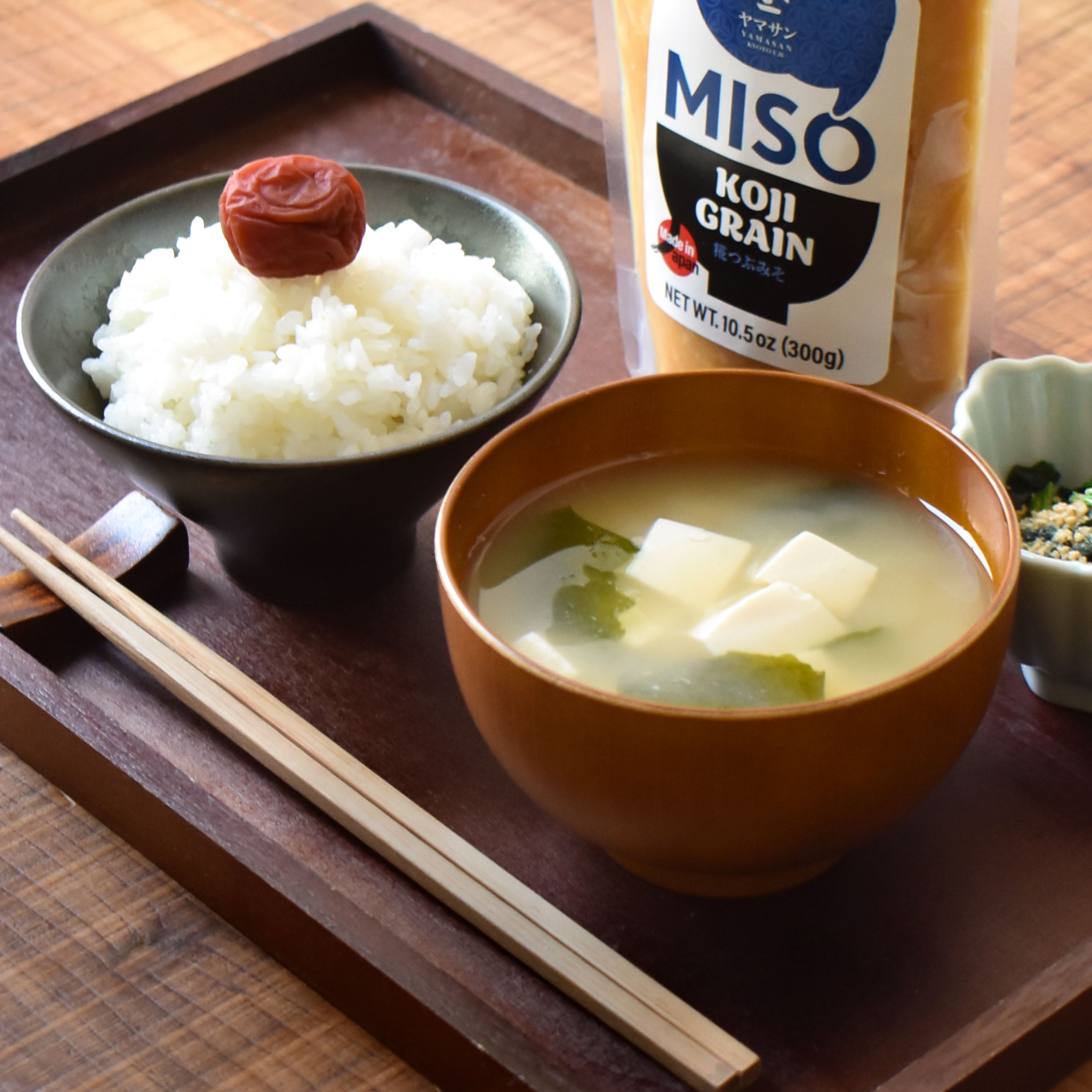
- Miso View collection
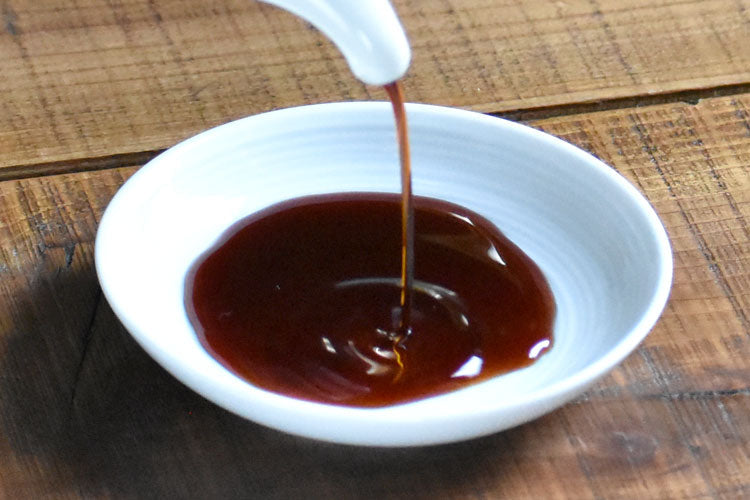
- Soy sauce View collection
- Sake
- Mirin
- Amazake
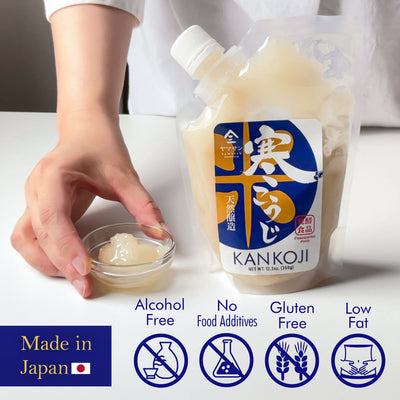
- Shio Koji View Products
For centuries, Japanese households have used koji to create rich flavors naturally without artificial additives.

Why Is Koji Becoming Popular Worldwide?
Recently, koji has gained attention in the UK, Europe, and the United States among chefs, home cooks, and health-conscious consumers.
There are several reasons for this growing popularity.
1. Natural Umami FlavorKoji naturally enhances flavor and depth in cooking.
Many chefs use koji as a natural alternative to artificial flavor enhancers because it creates a rich umami taste without relying on additives.
2. Makes Food More TenderKoji is especially famous as a marinade ingredient.
The enzymes in koji help tenderize meat, fish, and vegetables naturally, making dishes juicier and more flavorful.
This is why terms like “koji marinade” and “shio koji marinade” are becoming increasingly popular online.
3. Fermented Food & Gut Health TrendAs more people become interested in fermented foods and gut-friendly eating, koji is attracting attention as part of traditional Japanese fermentation culture.
Consumers today are looking for:
- Natural ingredients
- Traditional foods
- Clean-label products
- Plant-based flavor solutions
Koji fits perfectly into these modern food trends.
How Is Koji Used?
Koji is surprisingly versatile and easy to use.
Popular ways to use koji include:
Use shio koji (salt koji) to marinate chicken, steak, fish, or vegetables for extra tenderness and umami.
Add koji-based seasonings to soups, sauces, dressings, or pasta dishes for deeper flavor.
Many vegan chefs use koji to create rich savory flavors without animal ingredients.
Some people use rice koji to make homemade miso, amazake, or pickles.
What Does Koji Taste Like?
Koji has a unique flavor that is:
- Mildly sweet
- Savory
- Rich in umami
- Deep but gentle
It enhances the natural taste of ingredients rather than overpowering them.
Japanese Tradition Meets Modern Cooking
Although koji has been part of Japanese food culture for centuries, it is now inspiring a new generation of modern cooking around the world.
From high-end restaurants to home kitchens, people are discovering how this traditional Japanese ingredient can transform everyday meals naturally.
At Yamasan, we are proud to share authentic Japanese fermentation culture from Kyoto, Japan, with customers around the world.
Whether you are completely new to koji or already love Japanese fermentation, we hope you enjoy exploring the rich world of koji with us.
Explore Japanese Koji Products
Discover authentic Japanese koji products crafted with traditional methods and carefully selected ingredients from Japan.
Bring natural umami and Japanese fermentation culture into your daily cooking.
Share