




















Why Japanese Chefs Use Koji: The Secret Behind Natural Umami
For centuries, Japanese chefs have relied on one powerful ingredient to create deep flavor, natural sweetness, and incredible umami: koji.
Although many people outside Japan are only beginning to discover it, koji has long been an essential part of traditional Japanese cuisine and fermentation culture.
Today, professional chefs around the world are also embracing koji for its ability to naturally transform ingredients and elevate cooking.
So why do Japanese chefs use koji so often?
What Is Koji?

Koji (麹) is made by fermenting steamed rice, barley, or soybeans with a beneficial mold called Aspergillus oryzae.
During fermentation, koji produces natural enzymes that break down proteins and starches into amino acids and sugars.
This process creates:
- Rich umami flavor
- Natural sweetness
- Greater depth and complexity
- Improved texture
Koji is the foundation of many traditional Japanese foods, including:
-
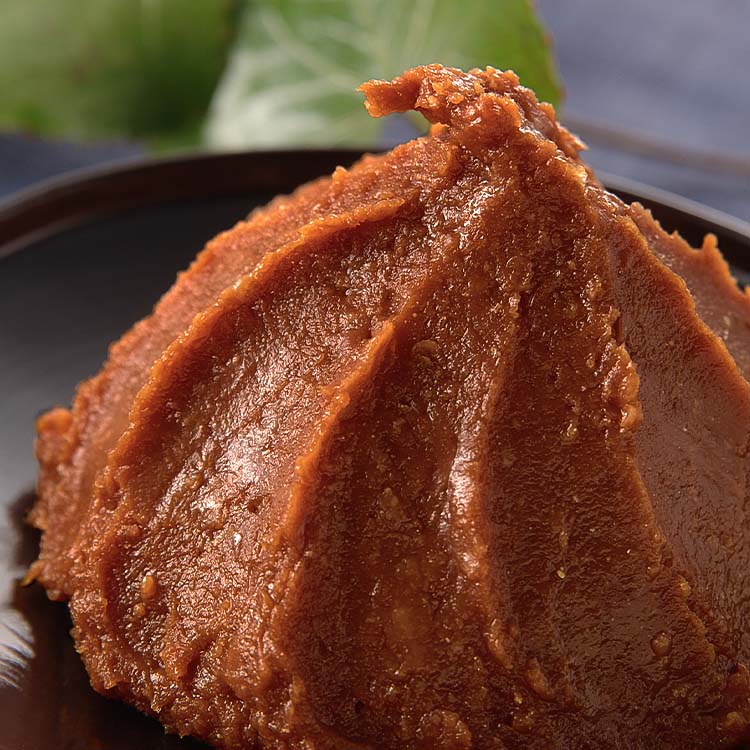
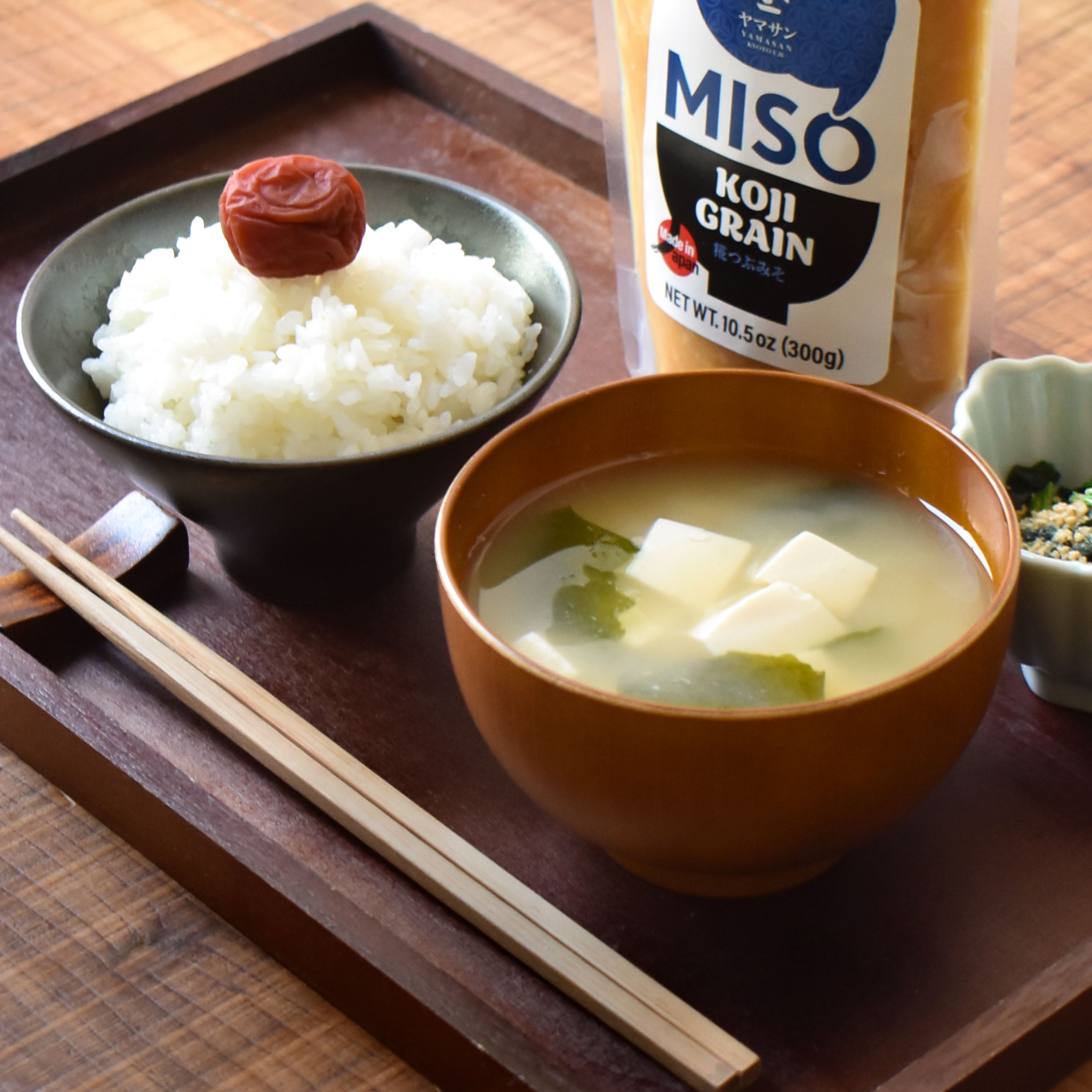
Miso View collection
-
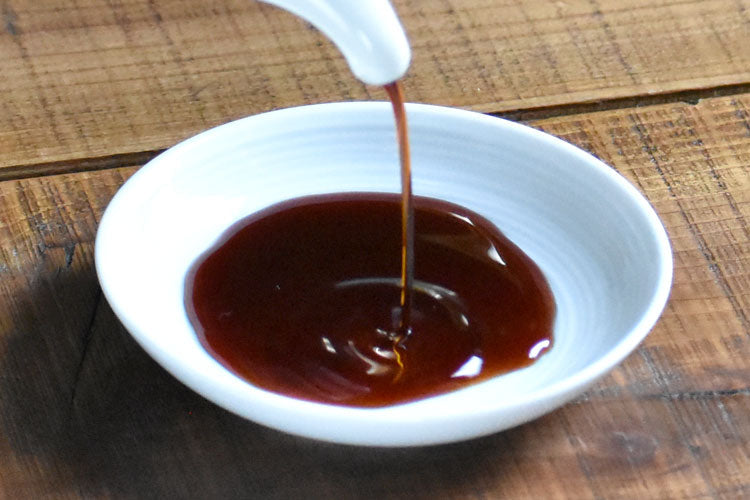
Soy sauce View collection
- Sake
- Mirin
- Amazake
-
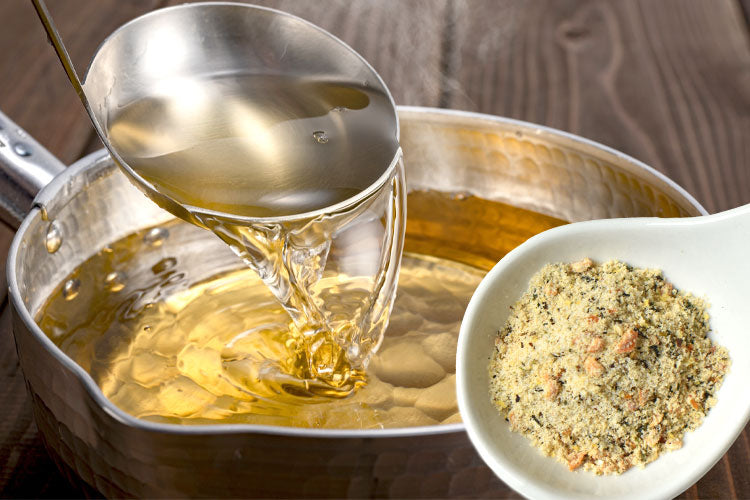
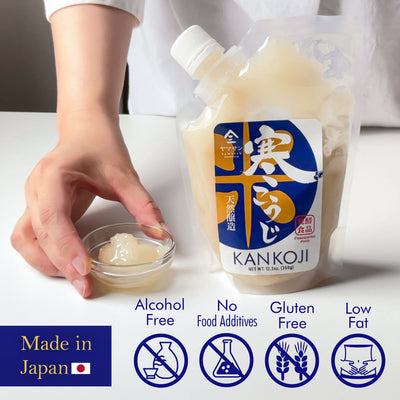
Shio Koji View Products
Without koji, Japanese cuisine as we know it would not exist.
1. Koji Creates Natural Umami
One of the main reasons Japanese chefs use koji is that it naturally increases umami.
The enzymes in koji release amino acids such as glutamate, which are responsible for savory flavor.
Instead of relying on artificial flavor enhancers, chefs can use koji to create a deep, satisfying taste naturally.
This is why many Japanese dishes feel rich and flavorful even when they use simple ingredients.
2. Koji Makes Meat and Fish More Tender

Koji is also widely used as a marinade.
When meat or fish is marinated with shio koji or koji-based seasonings, the enzymes help break down proteins gently.
As a result:
- Meat becomes more tender
- Fish develops a richer flavor
- Clean-label products
- Ingredients stay juicy during cooking
Many chefs compare koji marination to natural aging techniques because it improves texture and depth without overpowering the original ingredient.
Today, "koji marinade" has become increasingly popular among chefs worldwide.
3. Koji Enhances Ingredients Naturally
Japanese cuisine often focuses on bringing out the natural qualities of ingredients rather than covering them with strong seasoning.
Koji helps chefs achieve this balance beautifully.
Instead of adding heavy sauces, koji enhances:
- Sweetness
- Aroma
- Umami
- Complexity
This creates elegant and balanced flavors that are central to Japanese cooking philosophy.
4. Koji Supports Fermentation Culture
Fermentation has always played an important role in Japanese food culture.
Japanese chefs use koji not only for flavor but also as part of traditional food preservation and fermentation techniques developed over centuries.
Koji allows chefs to create:
-
Miso View collection
-
Soy sauce View collection
- Sake
- Mirin
- Amazake
-
Shio Koji View Products
These fermented foods contribute depth, character, and tradition to Japanese cuisine.

5. Modern Chefs Are Rediscovering Koji
Today, chefs around the world are experimenting with koji in new and creative ways.
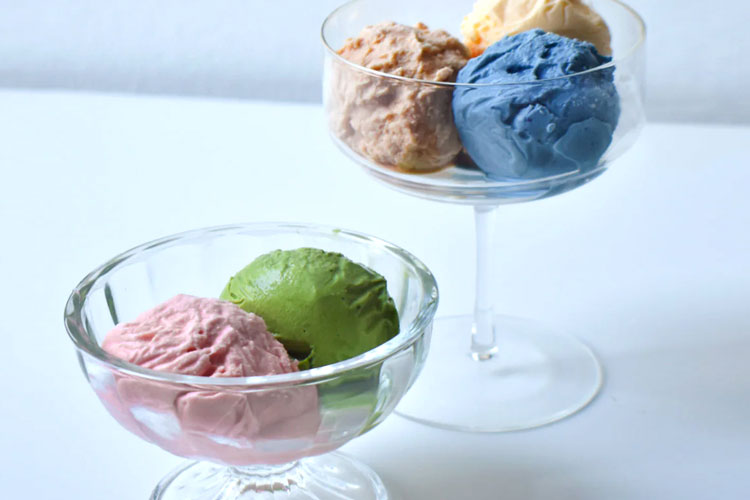
Koji is now used in:
Many modern chefs appreciate koji because it offers:
- Clean-label flavor enhancement
- Natural fermentation
- Reduced need for additives
- Sustainable cooking possibilities
As interest in fermented foods and gut-friendly eating grows globally, koji continues to gain attention far beyond Japan.
A Traditional Ingredient for Modern Cooking
Koji has been quietly shaping Japanese cuisine for over 1,000 years.
What makes it special is not only its history but also its ability to naturally improve flavor, texture, and depth in cooking.
From traditional Japanese kitchens to modern restaurants worldwide, chefs continue to use koji because it transforms simple ingredients into something extraordinary.
At Yamasan, we are proud to share authentic Japanese fermentation culture from Kyoto, Japan, with customers around the world.
Discover the rich world of koji and experience the natural power of Japanese fermentation in your own kitchen.
Share