





















Koji vs Miso vs Soy Sauce: What’s the Difference?
Japanese cuisine is famous for its rich umami flavor and deep fermentation culture.
Among the most important traditional Japanese ingredients are koji, miso, and soy sauce. Although they are closely connected, many people are confused about how they differ.
So what exactly is the difference between koji, miso, and soy sauce?
In this guide, we'll explain each one simply and explore how they are related in Japanese cooking.
What Is Koji?

Koji (麹) is the foundation of many Japanese fermented foods.
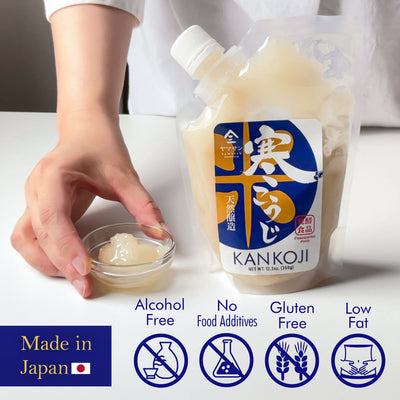
It is made by fermenting steamed rice, barley, or soybeans with a beneficial mold called Aspergillus oryzae.
During fermentation, koji produces natural enzymes that break down starches and proteins into sugars and amino acids.
This creates:
- Natural sweetness
- Rich umami
- Deep flavor
- Fermentation activity
Koji itself is not usually eaten alone in large amounts. Instead, it is used to make many traditional Japanese seasonings and fermented foods.
In Japan, koji is often called "The heart of Japanese fermentation."


What Is Miso?

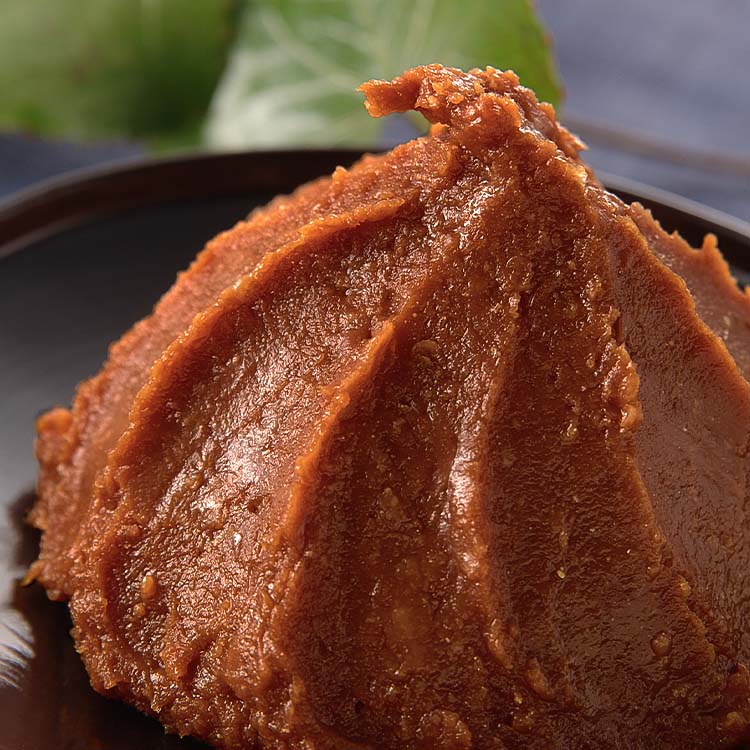
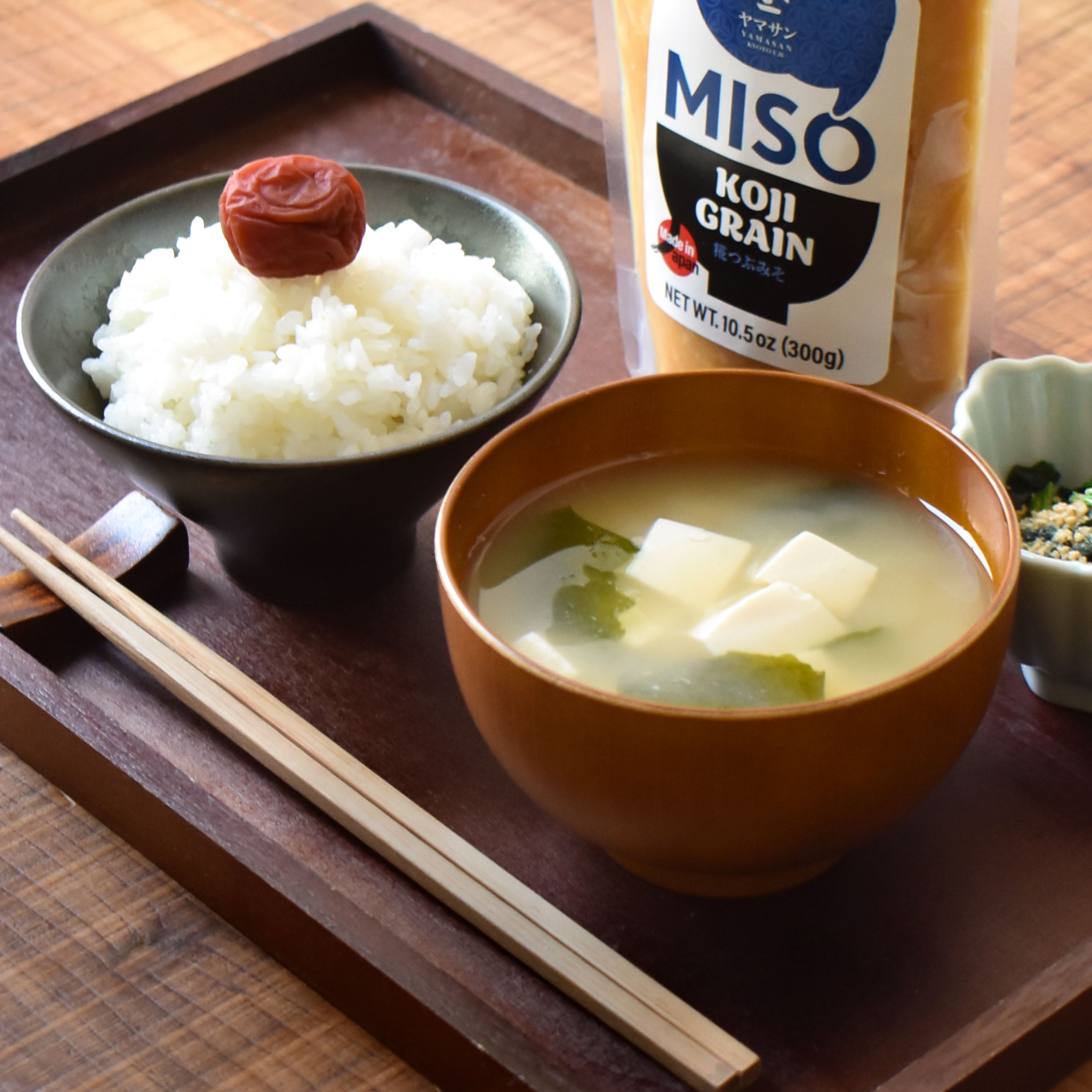
Miso (味噌) is a fermented soybean paste made using koji, soybeans, and salt.
In other words, Koji is one of the key ingredients used to make miso.
Depending on the ingredients and fermentation period, miso can taste:
- Mild and sweet
- Rich and savory
- Deep and earthy
Miso is commonly used in:
-
Miso soup Lazy Miso Soup
-
Marinades Homemade Koji Chicken Ham
-
Sauces Fermented Tomato Sauce
- Dressings
- Glazes
Because miso is fermented for months or even years, it develops a complex umami flavor loved around the world.

What Is Soy Sauce?

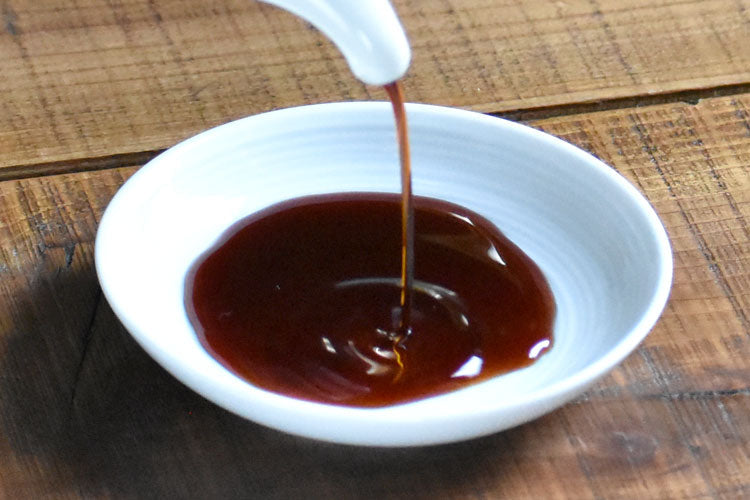
Soy sauce is another traditional Japanese seasoning made through fermentation with koji.
Traditional soy sauce is typically made from:
- Soybeans
- Wheat
- Salt
- Koji
During fermentation and aging, koji enzymes help create the deep savory flavor and aroma that soy sauce is known for.
Soy sauce is widely used for:
- Seasoning
- Dipping
- Cooking
- Marinades
Its flavor is salty, rich, and highly umami.

The Relationship Between Koji, Miso, and Soy Sauce
The easiest way to understand the relationship is this:
- Koji is the fermentation starter
- Miso is a fermented paste made with koji
- Soy sauce is a fermented liquid seasoning made with koji
Without koji, traditional miso and soy sauce could not exist.
Quick Comparison
Koji
- Fermentation starter
- Mildly sweet
- Rich in enzymes
- Used to create other fermented foods
Miso
- Fermented soybean paste
- Thick texture
- Rich and savory flavor
- Often used in soups and sauces
Soy Sauce
- Fermented liquid seasoning
- Salty and umami-rich
- Used as an all-purpose seasoning
Why Are These Ingredients Becoming Popular Worldwide?
As interest in:
- Fermented foods
- Gut-friendly eating
- Japanese cuisine
- Natural umami
- Clean-label cooking
continues to grow; more people are discovering the traditional power of Japanese fermentation.
Chefs and home cooks around the world are now using koji, miso, and soy sauce to add depth and complexity to everyday cooking naturally.
Discover the World of Japanese Fermentation
At Yamasan, we are proud to share authentic Japanese fermentation culture from Kyoto, Japan.
Whether you are exploring koji for the first time or already enjoy traditional Japanese seasonings, understanding the connection between koji, miso, and soy sauce is the perfect introduction to the rich world of Japanese fermentation.
Share